
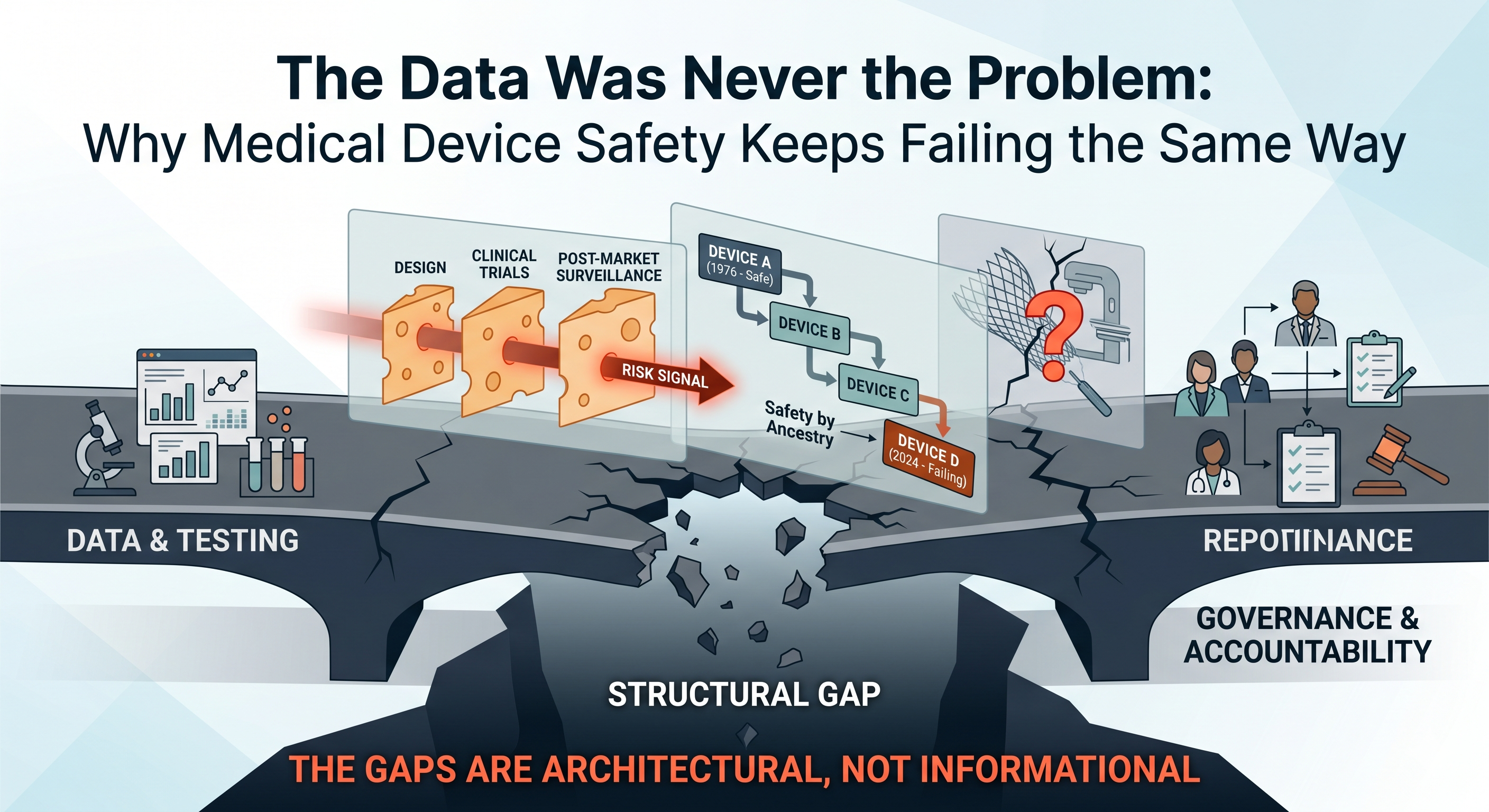
Every major medical device safety disaster has a predictable anatomy — and it’s the same anatomy as drug safety disasters. From the Dalkon Shield in the 1970s to metal-on-metal hips in the 2000s, from Therac-25’s lethal radiation overdoses to Philips’ contaminated CPAP machines, the pattern repeats: warning signs existed, the science was available, and no one with authority was accountable to act on it. The device world just has its own particularly insidious ways of letting danger through.
Category: Uncategorized
Environmental Risk Assessment in Drug Development: What It Is, Why It Matters, and When to Start
A drug can be clinically successful, commercially promising, and still carry an environmental problem nobody planned for.
That usually does not show up in the first investor deck.
It does not get much airtime in early product meetings.
And it definitely does not sound exciting at kickoff.
Until it becomes a filing issue.
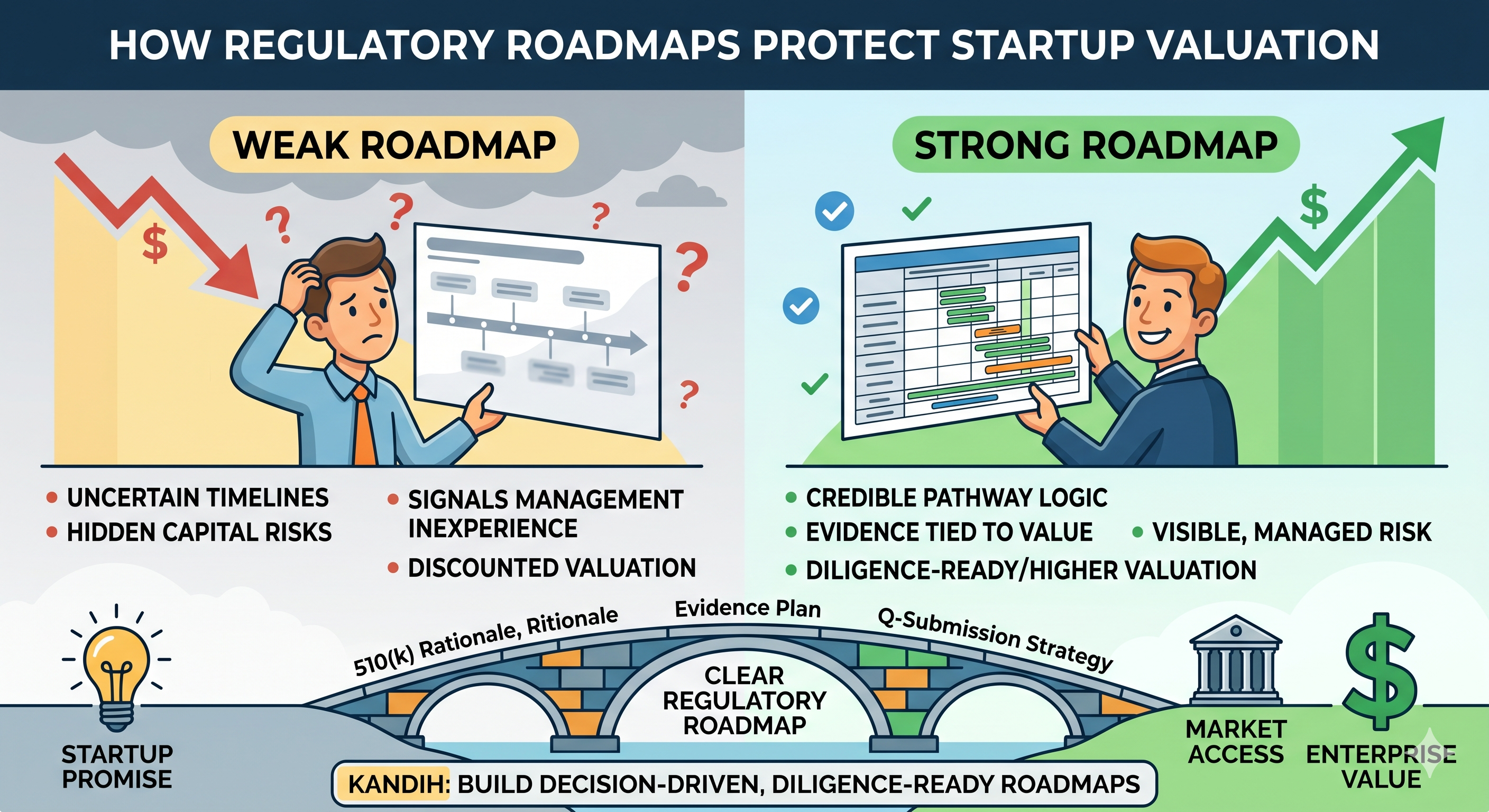
How Roadmaps Protect Valuation
A startup can lose value long before anything officially goes wrong. No recall.No warning letter.No failed company announcement. Just growing doubt. An investor starts asking harder questions.The next round takes longer.The valuation discussion gets a little less confident.Then a little less generous. Why? Because valuation is not driven by promise alone.It is driven by how […]
Post-Investment Regulatory Risk Management
The deal closed.
Capital transferred. Board seats assigned. Milestones locked in. Everyone moved on.
Then, six months later, a quiet update arrived in the investor’s inbox:
“FDA has requested additional data.”
Timelines shifted. Burn rate climbed. The next round became a conversation nobody wanted to have. The investment wasn’t struggling because of the product — it was struggling because regulatory risk had been left unattended after the term sheet was signed.
This is more common than most investors realize.
Red Flags vs Acceptable Regulatory Risk
An investor once reviewed two startups in the same week.
Both had regulatory issues.
One deal moved forward.
The other was declined immediately.
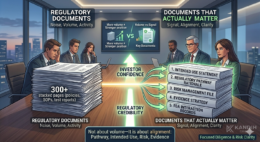
Regulatory Documents That Actually Matter
An investor once reviewed a data room with over 300 regulatory documents.
Policies. SOPs. Test reports. Slide decks. Validation summaries.
Everything looked thorough.
Then a single question changed the entire deal:
“Where is the evidence that this pathway actually holds?”
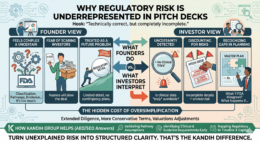
Why Regulatory Risk Is Underrepresented in Pitch Decks
A founder walked investors through a polished pitch:
Strong problem
Clear solution
Large market
Impressive prototype
Then came the slide titled “Regulatory Strategy.”
It had three bullets:
510(k) pathway
No clinical trials expected
Timeline: 12 months
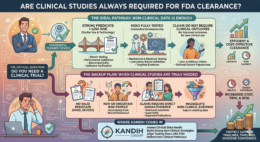
Are Clinical Studies Always Required for FDA Clearance?
A founder once delayed their entire product launch by 18 months—planning a clinical trial they never actually needed.
The device worked. The science was solid. The team had funding.
What they didn’t have was clarity.
So they defaulted to the safest assumption:
“FDA will probably require a clinical study.”
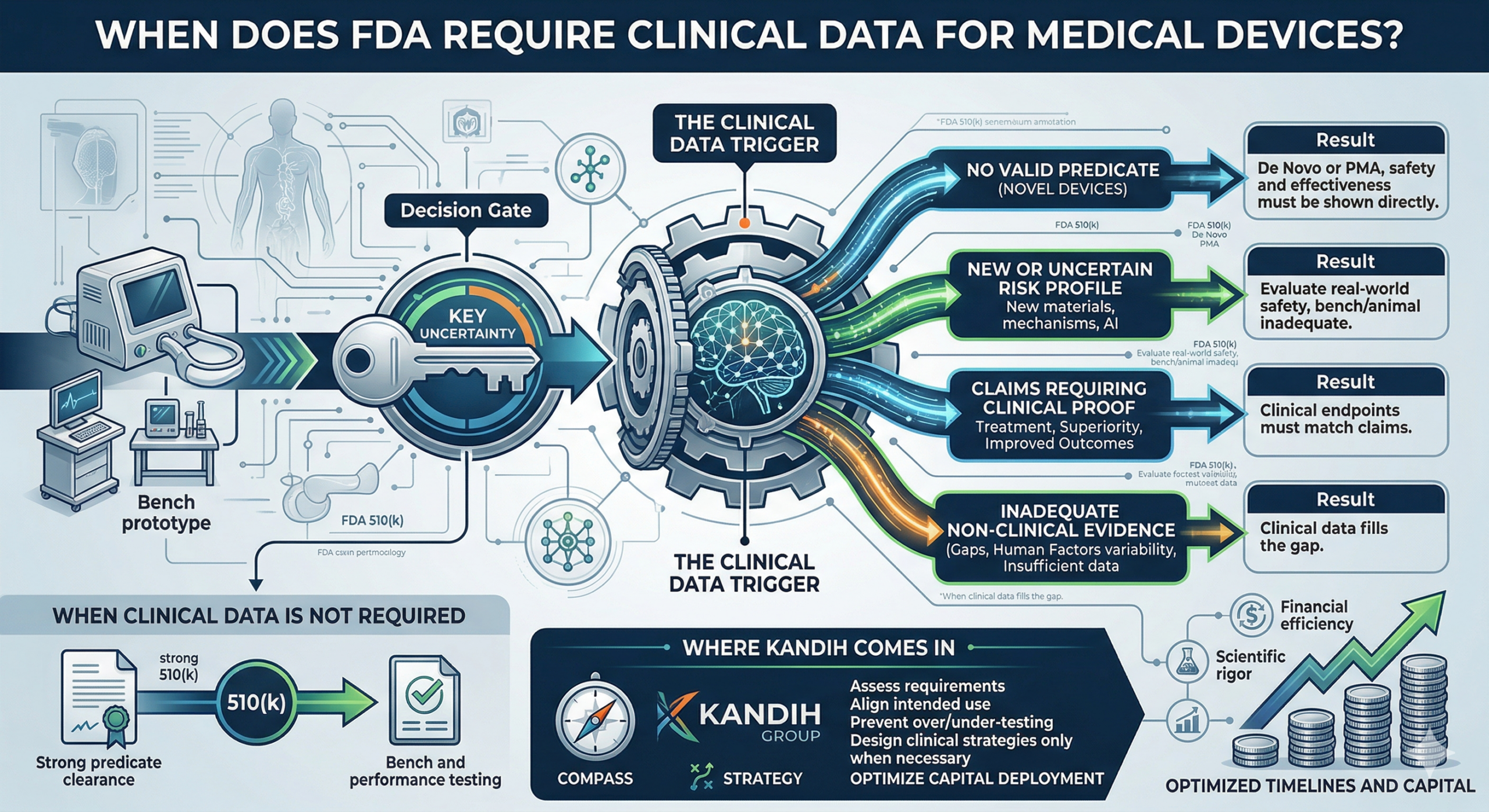
When Does FDA Require Clinical Data for Medical Devices?
Short answer: the FDA requires clinical data when risk, uncertainty, or lack of precedent cannot be addressed through non-clinical testing.
Clinical trials are not automatic.
They are triggered.
And most founders misunderstand when that trigger actually happens.
The Story Most Founders Live Through
A founder builds a promising device.
The prototype works. Bench testing looks strong. Early feedback is positive