
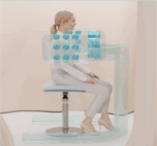
For millions of women around the world, a “clear” mammogram result can be a dangerous false reassurance. The hard truth is that mammograms miss up to 40% of breast cancers in women with dense breast tissue. This isn’t a rare issue—it’s a global clinical blind spot that turns early, treatable cancer into a late-stage crisis.
Category: Cancer Research
Outbreak of Lung Injury Associated with the Use of E-Cigarette, or Vaping, Products
CDC, the U.S. Food and Drug Administration (FDA), state and local health departments, and other clinical and public health partners are continuing to monitor e-cigarette, or vaping, product use-associated lung injury (EVALI).

Tislelizumab Plus Chemotherapy: What Toxicology Teaches Us About Smarter Cancer Therapy Design
The New Frontier in Cancer Therapy Cancer therapy is evolving — again.Recent clinical data show that Tislelizumab, a humanized anti–PD-1 monoclonal antibody, combined with chemotherapy, extends survival in lung, liver, and esophageal cancers. This represents the next generation of precision oncology — merging immune modulation with cytotoxic precision. But every developer and researcher knows one […]
Breast Cancer & Toxicology: Why Exposures Matter as Much as Genetics
October is Breast Cancer Awareness Month, and most conversations focus on genetics, mammograms, and treatment advances. But there’s a blind spot: toxicology. Everyday exposures—from endocrine-disrupting chemicals in plastics to drug-induced toxicities during treatment—can shape both breast cancer risk and recovery.
If you’re a clinician, researcher, or public health leader, here’s the clear idea: you can’t talk about breast cancer prevention or survivorship without talking about toxicology.
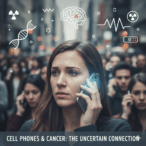
Cell Phones and Cancer Risk
There are two main reasons why people are concerned that cell (or mobile) phones might have the potential to cause certain types of cancer or other health problems: Cell phones emit radiation (in the form of radiofrequency radiation, or radio waves), and cell phone use is widespread. Even a small increase in cancer risk from cell phones would be of concern given how many people use them.
Brain and central nervous system cancers have been of particular concern because hand-held phones are used close to the head and because ionizing radiation—a higher energy form of radiation than what cell phones emit—has been found to cause some brain cancers. Many different kinds of studies have been carried out to try to investigate whether cell phone use is dangerous to human health.
However, the evidence to date suggests that cell phone use does not cause brain or other kinds of cancer in humans.

Aspirin and Colorectal Cancer Recurrence: Where Toxicology Shapes the Conversation
The Big Idea Aspirin is one of the most common drugs worldwide—used daily for pain, fever, and heart health. But research suggests it may also reduce the risk of colorectal cancer recurrence in some patients. If you are a clinician, researcher, or patient advocate, here’s the clear point: toxicology determines who benefits, who’s at risk, […]

Support for Teens When a Family Member Has Cancer
When a brother or sister has cancer, many things change—such as what you focus on, your family’s daily routines, and even your perspective on life. While this may be one of the most difficult experiences you go through, over time you can gain strength as you work to adjust and grow during this challenging time. While there is a team of people working to help your brother or sister get better, there are also people to support you.

The Overlooked Side of Cancer Care: Why Toxicology is Your Silent Partner
When people hear “cancer care,” they think about surgery, chemotherapy, or immunotherapy. But here’s the hidden truth: the success of every cancer treatment also depends on toxicology—the science of how the body reacts to harmful substances. For oncologists, nurses, pharmacists, and biotech innovators, the one clear idea is this: you can’t optimize cancer care unless you understand and manage treatment toxicity.

Secondhand Smoke and Cancer
Secondhand smoke (sometimes called passive smoke, environmental tobacco smoke, or involuntary smoke) is a mixture of sidestream smoke (the smoke from the burning tip of a cigarette or other smoked tobacco product) and mainstream smoke (smoke exhaled by a smoker that is diluted by the surrounding air) (1–3).
Major settings of exposure to secondhand smoke include workplaces, public places such as bars, restaurants and recreational settings, and homes (4). Workplaces and homes are especially important sources of exposure because of the length of time people spend in these settings. The home is a particularly important source of exposure for infants and young children. Children and nonsmoking adults can also be exposed to secondhand smoke in vehicles, where levels of exposure can be high. Exposure levels can also be high in enclosed public places where smoking is allowed, such as restaurants, bars, and casinos, resulting in substantial exposures for both workers and patrons