The Big Idea
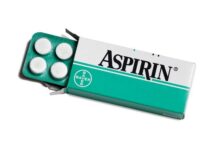
Aspirin is one of the most common drugs worldwide—used daily for pain, fever, and heart health. But research suggests it may also reduce the risk of colorectal cancer recurrence in some patients.
If you are a clinician, researcher, or patient advocate, here’s the clear point: toxicology determines who benefits, who’s at risk, and how aspirin’s risks and rewards should be balanced in cancer prevention strategies.
Why Aspirin Is Being Studied in Colorectal Cancer
Genetic clues: Clinical studies show that long-term, low-dose aspirin may reduce recurrence risk in patients with PIK3CA mutations—a genetic profile affecting tumor pathways.
Mechanism: Aspirin inhibits COX-2 enzymes, reducing prostaglandin production. These molecules drive inflammation, angiogenesis, and tumor growth.
Not yet standard care: While evidence is promising, aspirin is not FDA-approved for cancer prevention. Large-scale trials are ongoing.
Where Toxicology Fits In
Toxicology isn’t only about poisons. It’s about dose, timing, and patient differences. For aspirin in colorectal cancer, toxicology raises key questions:
1. Dose–Response Balance
Protective window: Low-dose aspirin (75–325 mg) may reduce recurrence.
Toxicity risk: Higher doses increase the chance of GI bleeding, ulcers, and kidney damage.
2. Individual Variability
Patients metabolize aspirin differently based on genetics, liver/kidney health, and comorbidities.
Toxicology helps stratify who can benefit versus who faces greater toxicity risk.
3. Drug Interactions
Aspirin can interact with anticoagulants, NSAIDs, and chemotherapy.
Toxicology identifies harmful overlaps early, preventing avoidable complications.
4. Cumulative Exposure
Many adults already use aspirin for heart health. Adding cancer prevention regimens means decades of exposure—making long-term safety monitoring critical.
Practical Steps for Health Professionals
Assess baseline risks: Screen for bleeding risk, medication use, and genetic markers before recommending aspirin.
Ask about OTC use: Many patients take aspirin daily without reporting it, leading to hidden exposure.
Use toxicology markers: Track hemoglobin, kidney function, and GI symptoms to detect early toxicity.
Communicate clearly: Emphasize both the potential benefits and the uncertainties. Transparency builds trust.
From Experience: Why It Matters
Evidence shows that while aspirin may improve survival in some colorectal cancer subgroups, it also increases the risk of bleeding—especially when used alongside other therapies.
In a landmark study, aspirin use after colorectal cancer diagnosis was linked to improved survival, particularly in patients with PIK3CA mutations, but bleeding remained a key safety concern .
An international consensus statement emphasized that while aspirin and NSAIDs may play a role in cancer prevention, their use must be balanced against the risks of gastrointestinal and intracranial bleeding .
The FDA cautions that aspirin interacts with anticoagulants and chemotherapy drugs, raising the likelihood of serious bleeding events .
The toxicology perspective is clear: careful dose selection, exposure tracking, and drug interaction monitoring are essential to maximize aspirin’s potential while minimizing harm.
The Bottom Line
Aspirin’s story in colorectal cancer is still unfolding.
The clear idea: toxicology ensures that in repurposing a familiar drug for cancer prevention, safety keeps pace with excitement.
For healthcare leaders and researchers, toxicology provides the guardrails that make aspirin’s promise real—and responsible.
References & Further Reading
1. Chan AT, Ogino S, Fuchs CS. Aspirin use and survival after diagnosis of colorectal cancer. JAMA. 2009;302(6)–658: https://jamanetwork.com/journals/jama/fullarticle/184381
2. Domingo E, et al. Evaluation of PIK3CA mutation as a predictor of benefit from aspirin in colorectal cancer. J Clin Oncol. 2013;31(34):4297–4305: https://pubmed.ncbi.nlm.nih.gov/24166520/
3. U.S. Food & Drug Administration. Aspirin Drug Information: https://www.fda.gov/drugs/safe-use-aspirin/aspirin-questions-and-answers
4. Cuzick J, et al. Aspirin and non-steroidal anti-inflammatory drugs for cancer prevention: an international consensus statement. Lancet Oncol. 2009;10(5):501–507: https://www.sciencedirect.com/science/article/abs/pii/S147020450970035X