

The University of Arizona Health Sciences recently reported that cannabis terpenes themselves — not just cannabinoids — may provide measurable pain relief and contribute to the “entourage effect.”
Category: Uncategorized

Cannabis & Polypharmacy: The Brutal New Side Effect No One Warned You About
Project CBD recently reported a growing trend in the U.S.:
adults reducing or replacing prescription medications with cannabis, while others add cannabis on top of already complex drug regimens.
(Project CBD)
This is where the story turns from wellness to risk.
Neuralink’s Human Brain Implant: What Toxicology and Product Developers Should Be Paying Attention To
By Dr. Harriet Kamendi, PhD — Regulatory Toxicologist & CEO, Kandih BioScience Signal-Dense Opening According to a report from the Austin American-Statesman, Neuralink — the Elon Musk–founded brain-computer interface (BCI) company — has begun human trials in Austin following FDA investigational authorization. (Austin American-Statesman, 2025) This is not just a story about futuristic technology. It’s […]
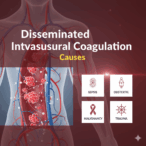
Disseminated Intravascular Coagulation – Causes
DIC is caused by another medical condition that makes the body’s normal blood clotting process become overactive. The condition progresses through two stages. In the early stages, overactive clotting leads to blood clots throughout the blood vessels. The clots can reduce or block blood flow, damaging organs.
As DIC progresses, the overactive clotting uses up platelets and clotting factors, which are protein that help with normal blood clotting. Without these platelets and clotting factors, DIC can cause bleeding just beneath the skin, in the nose or mouth, or deep inside the body.

New Coronavirus Found in Brazilian Bats: What Toxicology and Product Development Must Learn Now
When Discovery Meets Responsibility
Scientists in Brazil have discovered a previously unknown coronavirus in bats — one that carries genetic similarities to MERS-CoV, the virus responsible for deadly outbreaks in the Middle East.
(University of Nebraska Medical Center, 2025
)
For professionals in biotech, toxicology, and product development, the message is urgent and clear:
Lynkuet (Elinzanetant): What Toxicology and Product Development Teach Us About Safe Innovation
Mechanism Meets Safety
Lynkuet (elinzanetant) is one of the first non-hormonal medicines approved to treat moderate to severe hot flashes and night sweats caused by menopause (EMA, 2025).
It’s a major step forward — and a powerful reminder for developers of one core truth:

Can LED Light Really Kill Cancer? What Toxicology Teaches Us About Safety, Innovation, and Smart Design
Light as Medicine — and a Safety Challenge
You may have seen the headline:
“LED light can kill cancer cells.”
It sounds futuristic — shining light on a tumor instead of blasting it with radiation or flooding it with chemotherapy. But this idea isn’t fantasy. It’s called photodynamic therapy (PDT) — and it’s a real area of cancer research that’s gaining traction
Parkinson’s Disease: How Toxicology Is Powering the Next Generation of Safer Neurotherapies
Understanding Parkinson’s Disease: When Chemistry Turns Against the Brain
Parkinson’s disease (PD) affects over 10 million people worldwide, causing tremors, muscle rigidity, and loss of motor control. The condition stems from the progressive death of dopamine-producing neurons in the brain’s substantia nigra.

Depo-Provera & Toxicology: The Silent Science Behind Hormonal Safety
Depo-Provera—the injectable form of medroxyprogesterone acetate—has been a cornerstone of contraception for decades. It’s convenient, discreet, and highly effective. But behind every safe injection lies the often unseen work of toxicologists, who study how hormones interact with the body across months and years.