Deadly Listeria Outbreak: What Toxicology Teaches Us About Food Safety

A new deadly Listeria outbreak is making headlines, with contaminated food products linked to hospitalizations and deaths.

Listeria monocytogenes, the bacteria responsible, is especially dangerous for pregnant individuals, newborns, older adults, and those with weakened immune systems.

 If you are a food safety professional, healthcare provider, or consumer advocate, here’s the clear idea: toxicology is central to understanding how bacterial toxins, dose, and exposure drive risk—and how prevention strategies can save lives


Leucovorin in Autism: What Toxicology Teaches Us About Safety and Mechanism

The Big Idea Leucovorin (folinic acid), a reduced form of folate, is gaining attention as a potential adjunct in autism spectrum disorder (ASD). Some studies suggest it may improve language and behavior in children with folate receptor autoantibodies (FRAAs)—antibodies that can block folate transport into the brain.  If you’re a clinician, parent advocate, or health […]

Midlife Diabetes & Toxicology: Why Chemical Exposures Deserve a Seat at the Table

Diabetes in midlife is rising faster than ever—and it’s not only because of diet and exercise. A growing body of research shows that environmental toxicants—like pesticides, plastics, and air pollutants—may disrupt glucose regulation and increase diabetes risk.

If you’re a healthcare provider, public health leader, or wellness professional, here’s the takeaway: you can’t talk about midlife diabetes without talking about toxicology.

Respiratory Failure – Living With

For both acute (short-term) and chronic (long-term) respiratory failure, it is important to follow your treatment plan, manage your condition, and know when you should seek medical care. You may need pulmonary rehabilitation to help your lungs work better.

Your oxygen and carbon dioxide levels may take a while to return to a healthy range. Because of this, you may continue to have shortness of breath or other symptoms for a few weeks or longer. You may need to do daily activities more slowly.

Smoke in the Air, Toxins in Your Brain: What Every Health Leader Needs to Know

On September 9, 2025, researchers delivered a critical warning: even short-term exposure to smog can accelerate the buildup of toxic proteins in the brain linked to Alzheimer’s disease—with urban populations most at risk (ScienceDaily
).

 If you’re a clinician, public health planner, or policymaker, here’s the single insight that matters:
toxicology isn’t just about what you ingest—it’s about what you breathe. And airborne neurotoxins demand urgent, strategic attention.

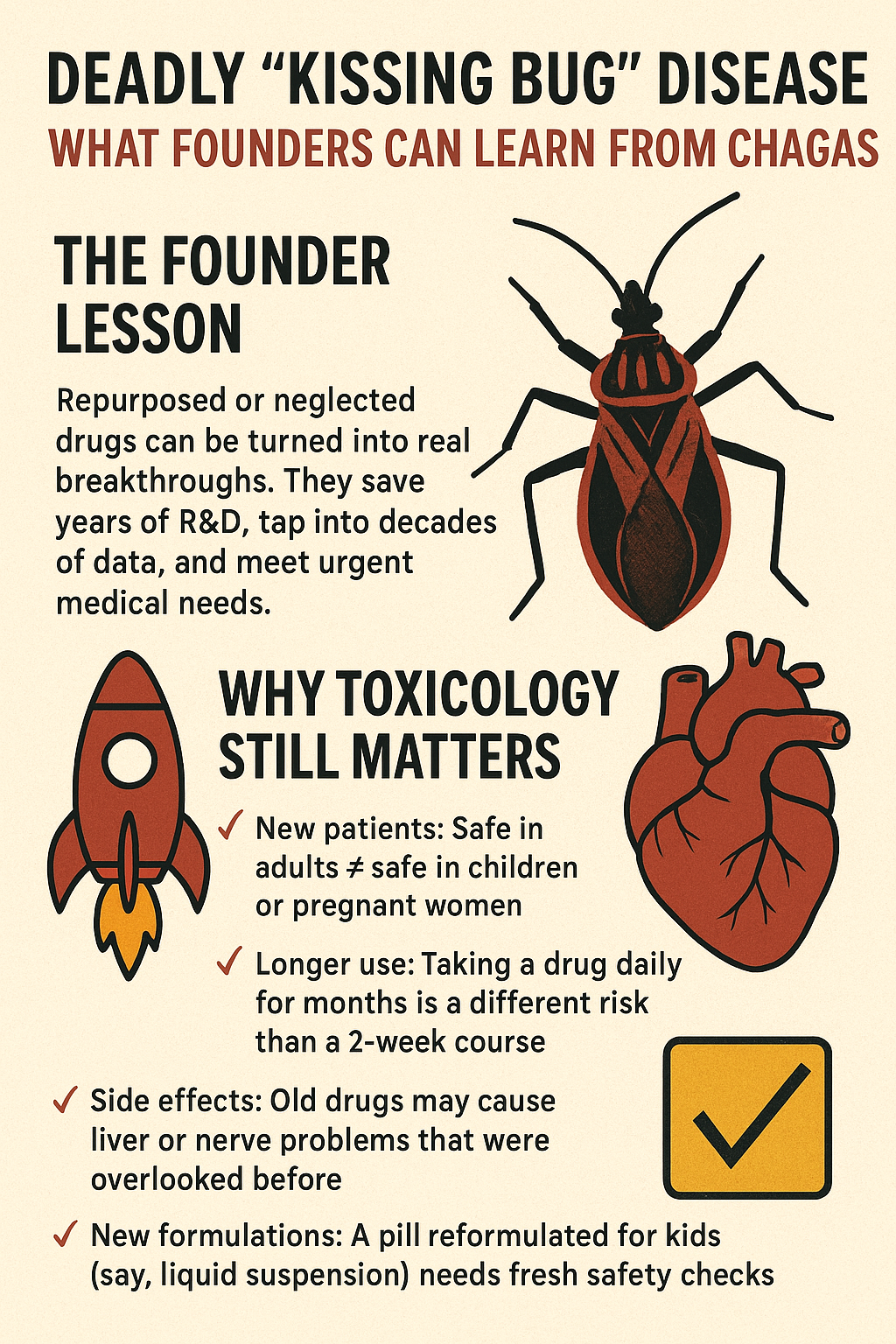
Deadly “Kissing Bug” Disease: What Founders Can Learn From Chagas

Chagas disease, spread by the so-called “kissing bug,” affects 6–7 million people worldwide. Left untreated, it can cause heart failure and even death. There are drugs for it—benznidazole and nifurtimox—but here’s the problem: – They’re old. – They’re harsh. – And they don’t work well enough for every patient. This is where you, the founder […]

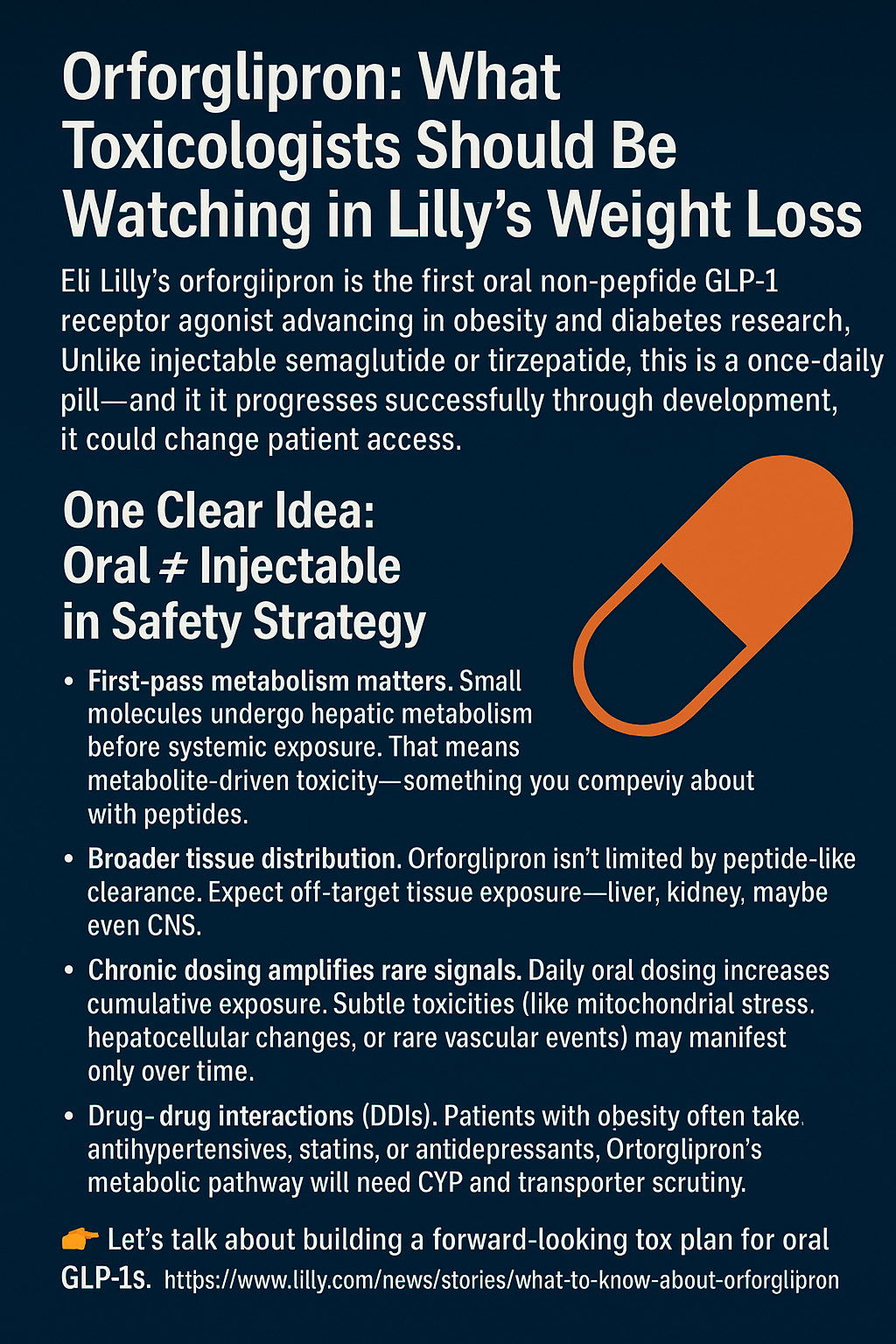
Orforglipron: What Toxicologists Should Be Watching in Lilly’s Weight Loss Pill

Eli Lilly’s orforglipron is the first oral non-peptide GLP-1 receptor agonist advancing in obesity and diabetes research. Unlike injectable semaglutide or tirzepatide, this is a once-daily pill—and if it progresses successfully through development, it could change patient access.

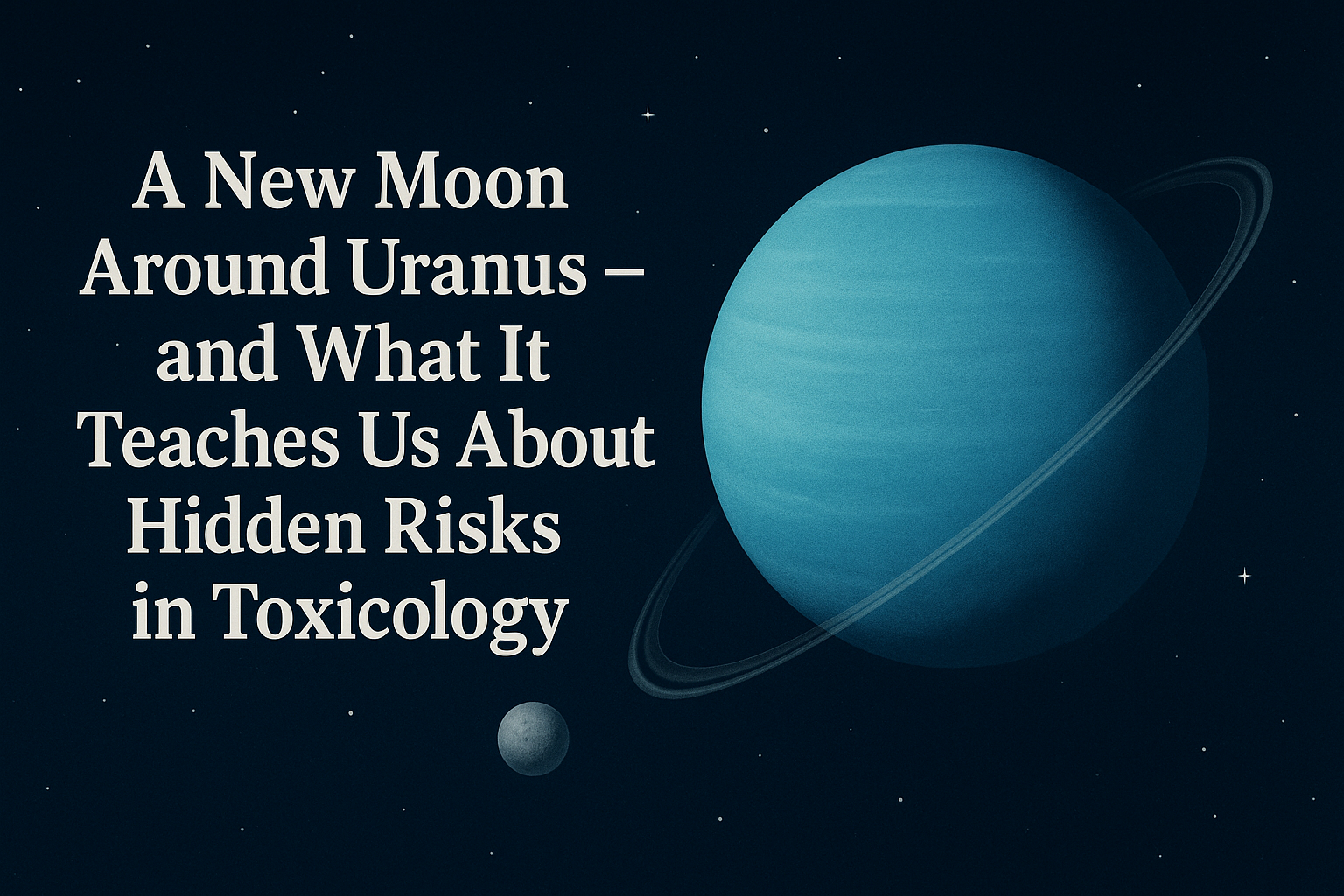
A New Moon Around Uranus – and What It Teaches Us About Hidden Risks in Toxicology

Astronomers just announced the discovery of a brand-new moon orbiting Uranus. That’s right—40 years after Voyager 2 passed by, we’re still finding satellites hiding in plain sight. The discovery reminds us of something every toxicologist knows well: sometimes the most important influences on a system are the ones you can’t see—until you look closer.

💬

Chat with us