Blog

What Is the FDA Regulatory Pathway for Medical Devices?

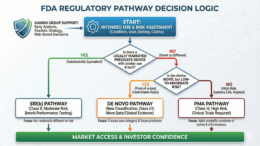
Short answer: the FDA regulatory pathway for medical devices depends on risk, intended use, and whether a similar device already exists.

The three main pathways are:

510(k) – for devices that are substantially equivalent to an existing legally marketed device

De Novo – for novel, low-to-moderate risk devices with no predicate
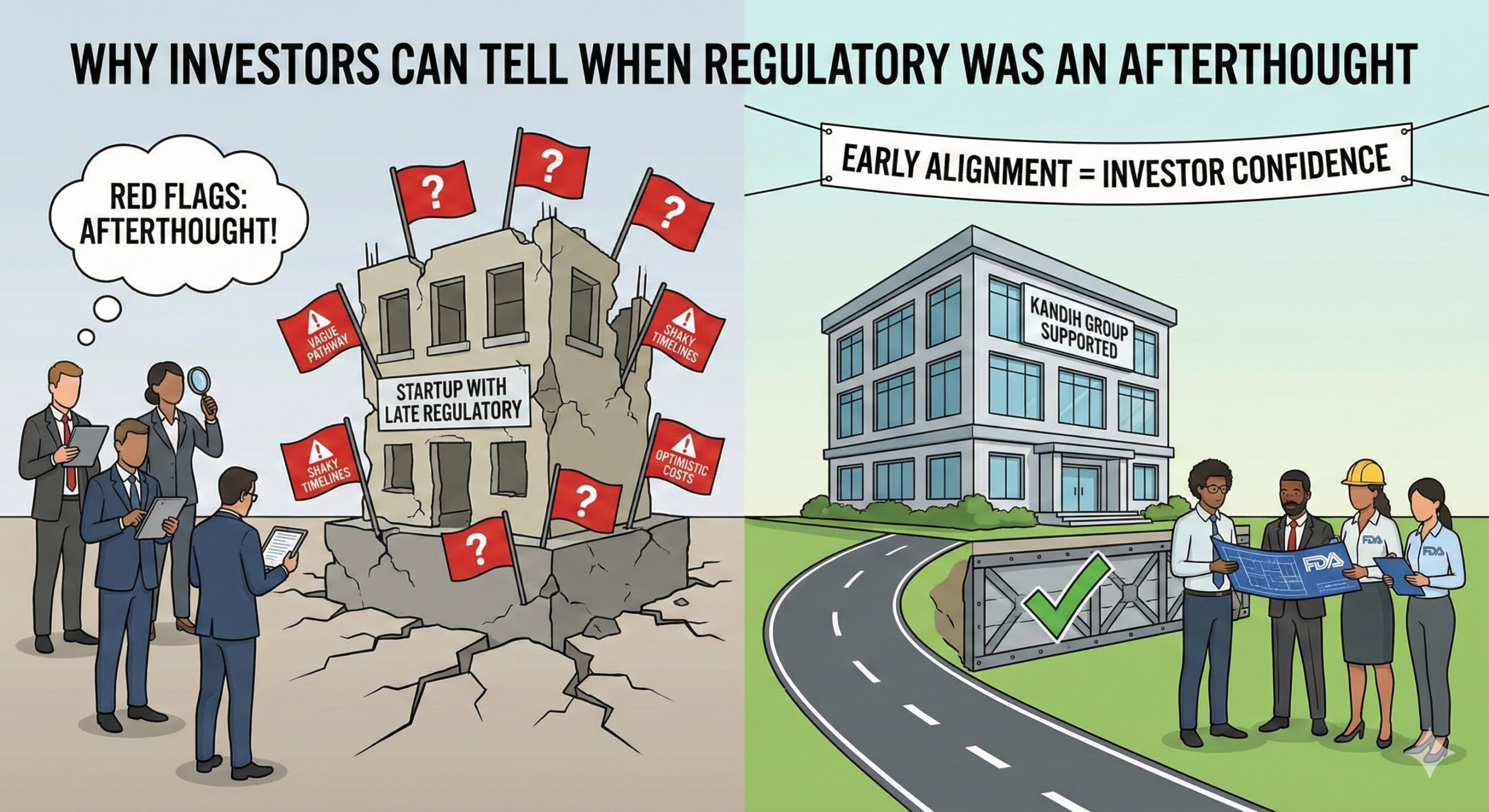
Why Investors Can Tell When Regulatory Was an Afterthought

Hard reality: experienced investors can tell—often within minutes—when regulatory strategy was bolted on late instead of built in early. You don’t need to say “we figured out regulatory later.” It shows up everywhere: in your data, your timelines, your budget, and your answers during diligence. The Diligence Red Flags Investors Immediately Recognize1. Vague or Shifting […]

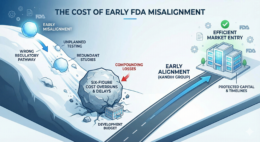
How Early FDA Misalignment Increases Development Costs

Simple truth: small regulatory misalignments early in development don’t stay small. They compound—quietly at first, then catastrophically—into six- and seven-figure problems later. Most medical device cost overruns are not caused by bad engineering. They are caused by early FDA misalignment that went unnoticed or unchallenged. How Small Misalignments Snowball Into Big Losses1. A Slightly Off […]

Can Regulatory Strategy Begin Before a Prototype Exists?

Yes—absolutely.In fact, regulatory strategy is most powerful before a physical prototype exists. At the earliest stage, regulatory thinking acts as a design compass. It tells you what you can build, how risky it will be, and what proof you’ll eventually need—before you spend real money on engineering. How Regulatory Strategy Works at the “Paper Stage” […]

What Breaks When Regulatory Strategy Starts Too Late

When regulatory strategy starts after prototyping, things don’t just slow down—they break. And once they break, they are expensive to fix. Medical device development is not linear. FDA expectations are woven into design, testing, and evidence generation. When those expectations are ignored early, downstream failures stack up fast. What Actually Goes Wrong (and Why It […]

When Should Regulatory Strategy Actually Start for a Medical Device?

Direct answer: regulatory strategy should start at the idea stage, not after you build a prototype. If you wait until the device is engineered to think about FDA requirements, you’ve already made decisions that may be expensive—or impossible—to fix later. Why Regulatory Strategy Starts at Ideation From the very beginning, the U.S. Food and Drug […]

Why Speed Is the Enemy of Good Fixes

How rushing to close issues creates shallow solutions—and repeat failures Speed is often praised in regulated environments. Fast responses look decisive. Quick closures look efficient. Leaders feel reassured when issues disappear from dashboards. But here’s the uncomfortable reality: the faster you rush to close an issue, the more likely it is to come back. In […]

Why the Same Problems Keep Showing Up in Medical Device Development

(And What Regulators Are Actually Looking For) The Everyday Problem A safety issue shows up during testing.The team investigates, applies a fix, and documents the decision. Everyone moves on. Months later, a similar issue appears.Sometimes it’s the exact same problem. Sometimes it looks new—but it feels familiar. Now the question comes up: Why are we […]

Why Fixes That Look Good on Paper Fail in Practice

Paper compliance isn’t the same as real-world performance On paper, everything can look perfect. The testing plan is written.The documentation is complete.The boxes are checked.The audit trail is clean. And yet—things still go wrong. This is one of the most common (and expensive) traps in regulated work: confusing paper compliance with real-world effectiveness. The problem […]

💬

Chat with us