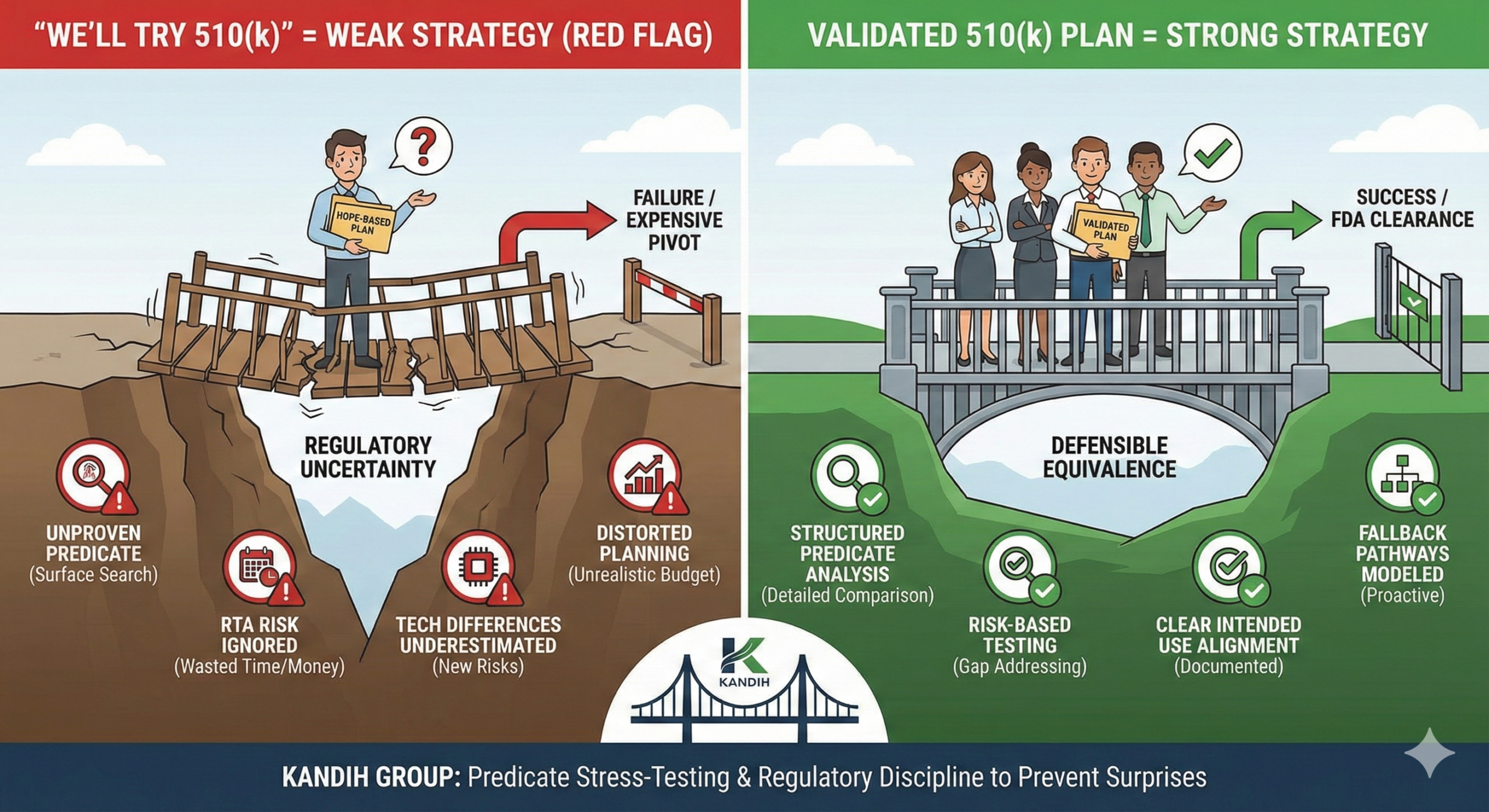
Why “We’ll Try 510(k)” Is a Red Flag

Short answer: when a team says, “We’ll try 510(k),” it usually means the regulatory strategy is not fully developed.

A 510(k) is not something you “try.” It is something you qualify for.

Under the framework of the U.S. Food and Drug Administration, the 510(k) pathway depends on a very specific standard: substantial equivalence to a legally marketed predicate device.

If that logic is not solid, the pathway collapses.
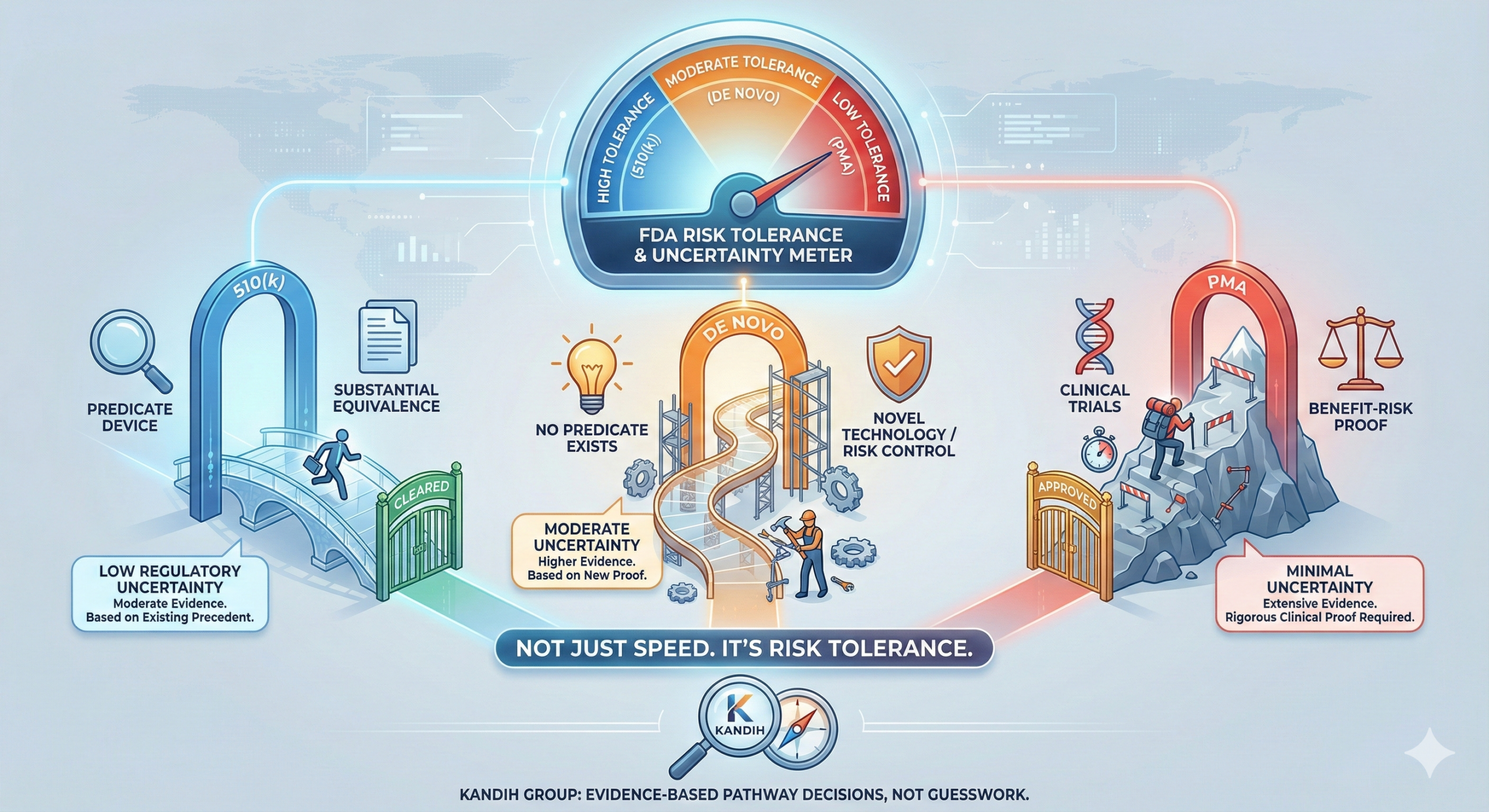
FDA Pathways as Portfolio Risk Indicators

Short answer: an FDA regulatory pathway is not just a compliance decision. It is a portfolio risk signal. For investors, the difference between 510(k), De Novo, and PMA is not technical—it’s financial. Each pathway signals a different level of timeline risk, capital intensity, and probability of return. Understanding that signal changes how smart investors allocate […]

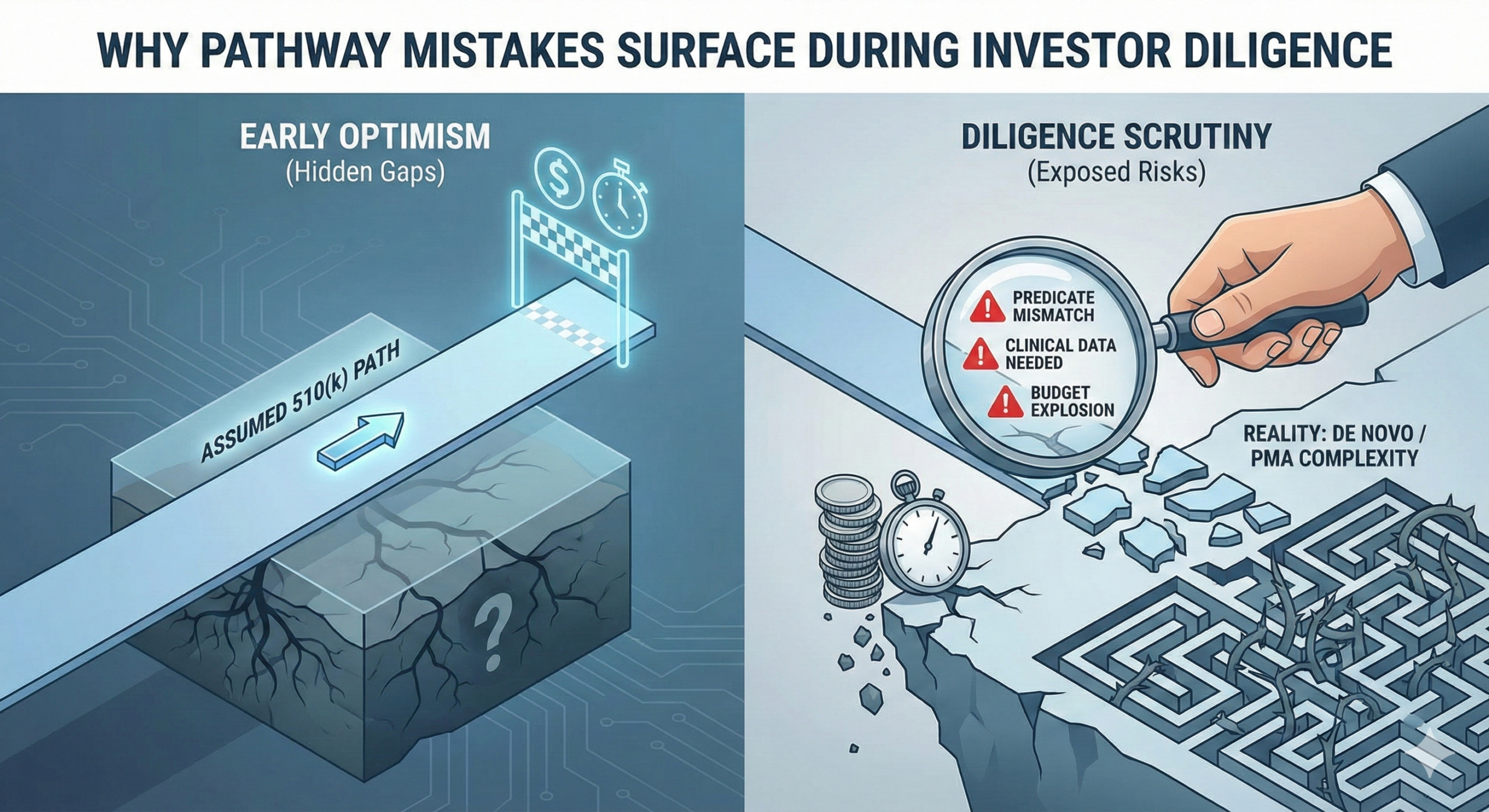
Why Pathway Mistakes Surface During Investor Diligence

Short answer: incorrect FDA pathway assumptions don’t usually fail at the beginning. They fail when investors start asking hard questions.

Early on, optimism hides regulatory gaps. During investor diligence, those gaps get exposed.

That’s because regulatory pathway decisions—510(k), De Novo, or PMA—are not just technical. They define your timeline, capital needs, and exit strategy.

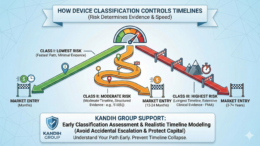
How Device Classification Controls Timelines

Straight answer: device classification controls how much evidence you must generate—and that controls how fast (or slow) you reach market.

If you don’t understand your classification early, your timeline is not a plan. It’s a guess.

Under the framework of the U.S. Food and Drug Administration, medical devices are placed into three risk-based classes: Class I, Class II, and Class III. The higher the risk, the heavier the evidence burden—and the longer the timeline.

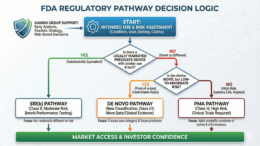
What Is the FDA Regulatory Pathway for Medical Devices?

Short answer: the FDA regulatory pathway for medical devices depends on risk, intended use, and whether a similar device already exists.

The three main pathways are:

510(k) – for devices that are substantially equivalent to an existing legally marketed device

De Novo – for novel, low-to-moderate risk devices with no predicate

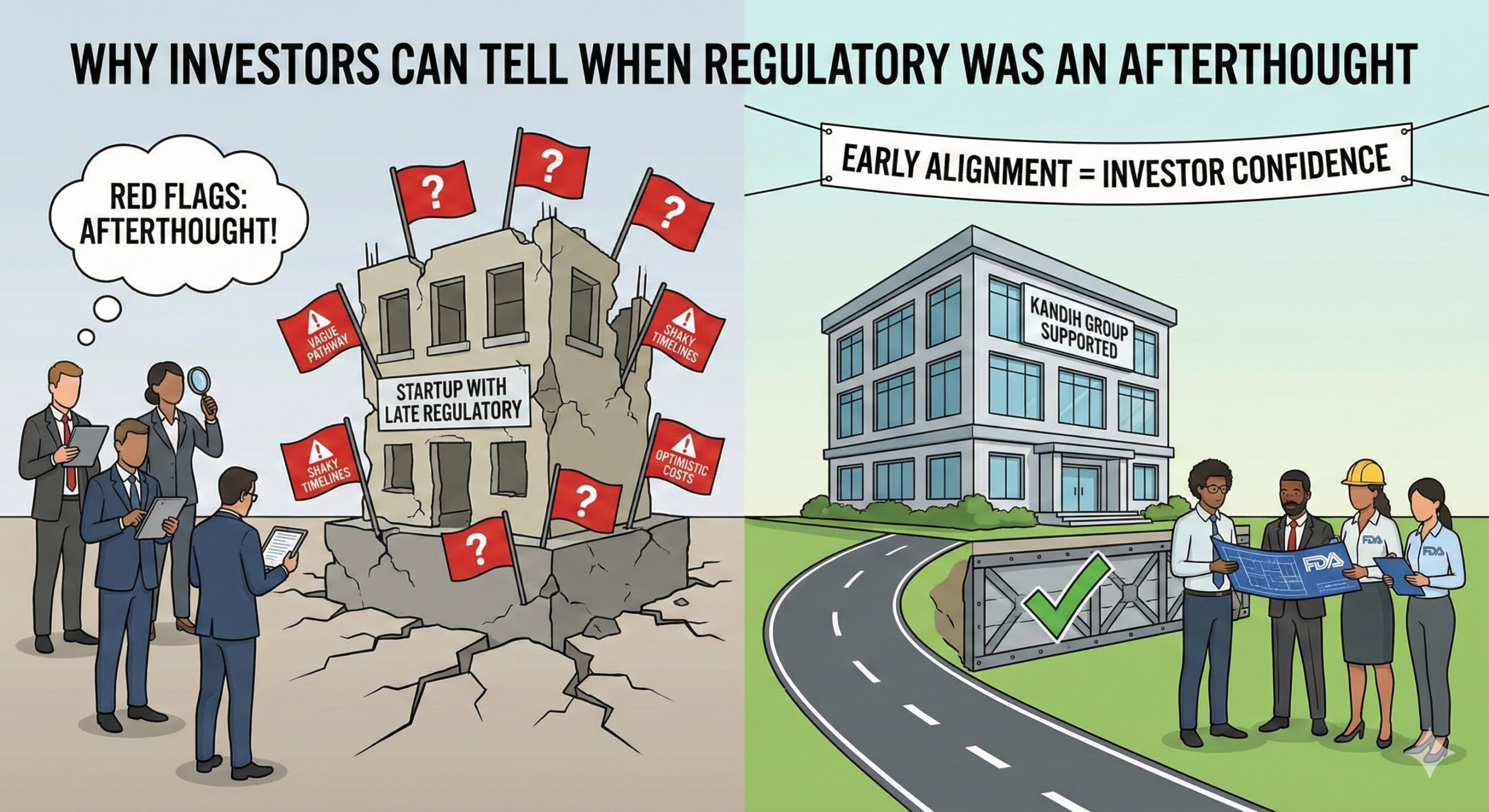
Why Investors Can Tell When Regulatory Was an Afterthought

Hard reality: experienced investors can tell—often within minutes—when regulatory strategy was bolted on late instead of built in early. You don’t need to say “we figured out regulatory later.” It shows up everywhere: in your data, your timelines, your budget, and your answers during diligence. The Diligence Red Flags Investors Immediately Recognize1. Vague or Shifting […]

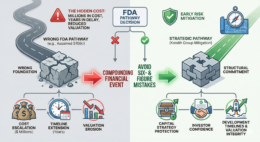
How Early FDA Misalignment Increases Development Costs

Simple truth: small regulatory misalignments early in development don’t stay small. They compound—quietly at first, then catastrophically—into six- and seven-figure problems later. Most medical device cost overruns are not caused by bad engineering. They are caused by early FDA misalignment that went unnoticed or unchallenged. How Small Misalignments Snowball Into Big Losses1. A Slightly Off […]

💬

Chat with us