admin
October 1, 2025

Aging populations face not only chronic diseases but also unique risks from toxic exposures—from medications to household chemicals to environmental pollutants. In aged care settings, these risks often go unnoticed until they cause harm. If you’re a caregiver, healthcare provider, or policy leader in elder care, here’s the one clear idea: toxicology must be integrated into aged care to keep older adults safe from avoidable toxic exposures.
September 30, 2025

A new deadly Listeria outbreak is making headlines, with contaminated food products linked to hospitalizations and deaths. Listeria monocytogenes, the bacteria responsible, is especially dangerous for pregnant individuals, newborns, older adults, and those with weakened immune systems. If you are a food safety professional, healthcare provider, or consumer advocate, here’s the clear idea: toxicology is central to understanding how bacterial toxins, dose, and exposure drive risk—and how prevention strategies can save lives
September 29, 2025

Every summer, reports of West Nile virus (WNV) rise. Spread by mosquitoes, WNV can cause mild flu-like illness, severe neurological disease, or—rarely—death. With no approved vaccine or specific treatment for humans, prevention remains the primary defense. If you’re a public health leader, clinician, or environmental safety professional, here’s the clear idea: toxicology is essential for protecting communities from West Nile virus—because the very chemicals we use to fight mosquitoes carry risks that must be balanced against the virus itself.
September 26, 2025

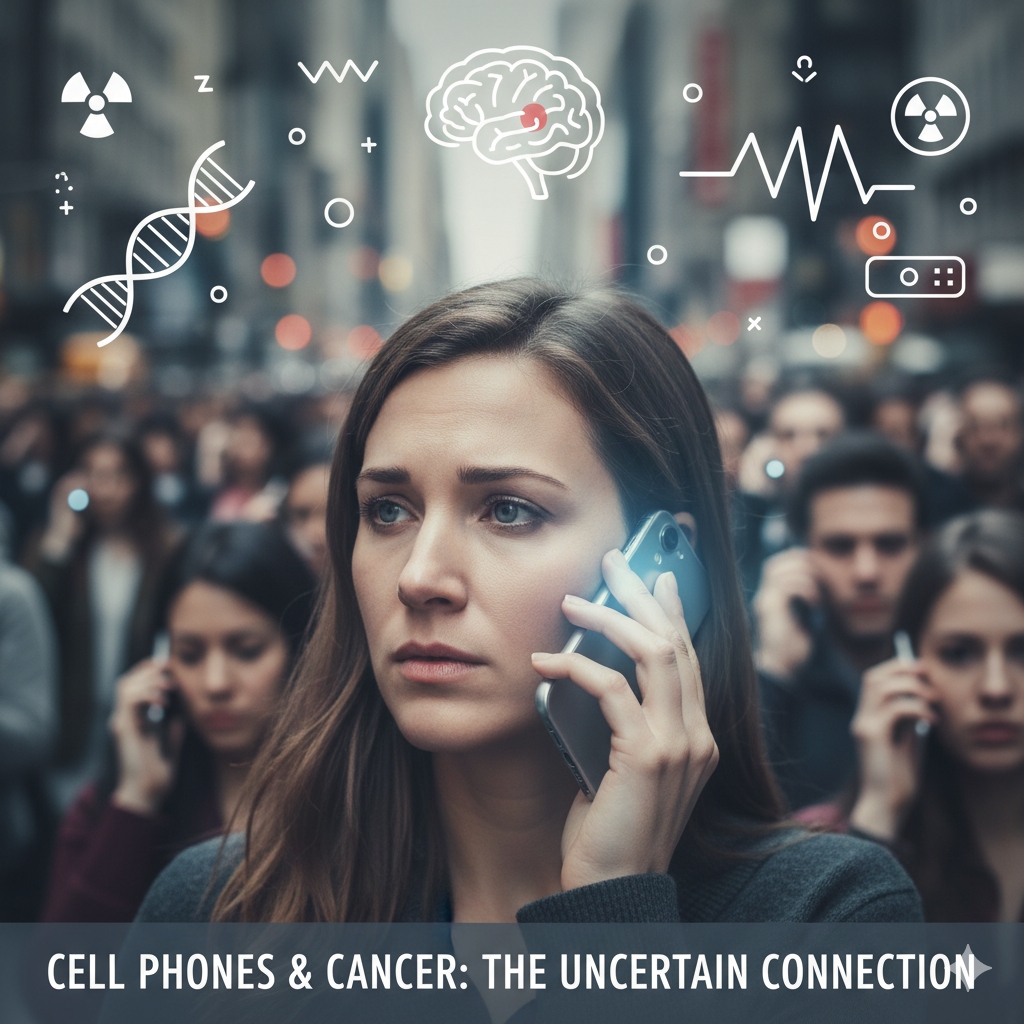
There are two main reasons why people are concerned that cell (or mobile) phones might have the potential to cause certain types of cancer or other health problems: Cell phones emit radiation (in the form of radiofrequency radiation, or radio waves), and cell phone use is widespread. Even a small increase in cancer risk from cell phones would be of concern given how many people use them. Brain and central nervous system cancers have been of particular concern because hand-held phones are used close to the head and because ionizing radiation—a higher energy form of radiation than what cell phones emit—has been found to cause some brain cancers. Many different kinds of studies have been carried out to try to investigate whether cell phone use is dangerous to human health. However, the evidence to date suggests that cell phone use does not cause brain or other kinds of cancer in humans.