Typhoid fever isn’t a relic of the past—it remains a global health threat, particularly in regions with limited access to clean water and sanitation. For travelers, clinicians, and global health professionals, vaccination remains the cornerstone of prevention.
Category: Toxicology
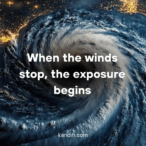
Hurricanes & Toxicology: The Hidden Health Crisis After the Storm
When a hurricane strikes, the focus usually centers on wind speed, flooding, and evacuation routes. But after the storm passes, an invisible crisis begins: toxic exposure.
Floodwaters, mold, sewage, fuels, and damaged infrastructure release a cocktail of chemicals into the air, soil, and water—creating a public health emergency that often goes unnoticed.
If you’re a public health professional, environmental scientist, or community responder, here’s the one clear idea:
Harvest Moon 2025: A Bright Reminder of Hidden Agricultural Toxins
On October 6, 2025, the Harvest Moon—the year’s brightest full moon—will rise, marking the end of harvest season. It’s a time of gratitude, reflection, and reconnection with the land that sustains us. But here’s a truth most people miss: the same season that celebrates abundance also exposes one of our quietest toxicology challenges—agricultural chemical exposure. […]
Polio Vaccine & Toxicology: Why Safety Science Still Shapes Every Shot
Polio was once one of the world’s most feared diseases—paralyzing or killing hundreds of thousands every year. Thanks to vaccines, it’s now on the brink of eradication. But here’s what most people overlook: toxicology is the silent science that makes vaccines safe enough to save millions.
Breast Cancer & Toxicology: Why Exposures Matter as Much as Genetics
October is Breast Cancer Awareness Month, and most conversations focus on genetics, mammograms, and treatment advances. But there’s a blind spot: toxicology. Everyday exposures—from endocrine-disrupting chemicals in plastics to drug-induced toxicities during treatment—can shape both breast cancer risk and recovery.
If you’re a clinician, researcher, or public health leader, here’s the clear idea: you can’t talk about breast cancer prevention or survivorship without talking about toxicology.
Aged Care and Toxicology: Protecting the Most Vulnerable
Aging populations face not only chronic diseases but also unique risks from toxic exposures—from medications to household chemicals to environmental pollutants. In aged care settings, these risks often go unnoticed until they cause harm. If you’re a caregiver, healthcare provider, or policy leader in elder care, here’s the one clear idea: toxicology must be integrated into aged care to keep older adults safe from avoidable toxic exposures.
West Nile Virus: Where Infectious Disease Meets Toxicology
Every summer, reports of West Nile virus (WNV) rise. Spread by mosquitoes, WNV can cause mild flu-like illness, severe neurological disease, or—rarely—death. With no approved vaccine or specific treatment for humans, prevention remains the primary defense.
If you’re a public health leader, clinician, or environmental safety professional, here’s the clear idea: toxicology is essential for protecting communities from West Nile virus—because the very chemicals we use to fight mosquitoes carry risks that must be balanced against the virus itself.
Huntington’s Disease: Why Toxicology Matters in a Genetic Disorder
The Big Idea Huntington’s disease (HD) is a devastating inherited neurological disorder caused by mutations in the HTT gene, leading to progressive motor, cognitive, and psychiatric decline. There’s no cure, and current treatments only manage symptoms. If you’re a clinician, researcher, or biotech innovator, here’s the one clear idea: toxicology is essential for advancing Huntington’s […]

Aspirin and Colorectal Cancer Recurrence: Where Toxicology Shapes the Conversation
The Big Idea Aspirin is one of the most common drugs worldwide—used daily for pain, fever, and heart health. But research suggests it may also reduce the risk of colorectal cancer recurrence in some patients. If you are a clinician, researcher, or patient advocate, here’s the clear point: toxicology determines who benefits, who’s at risk, […]