Cancer Research
September 26, 2025
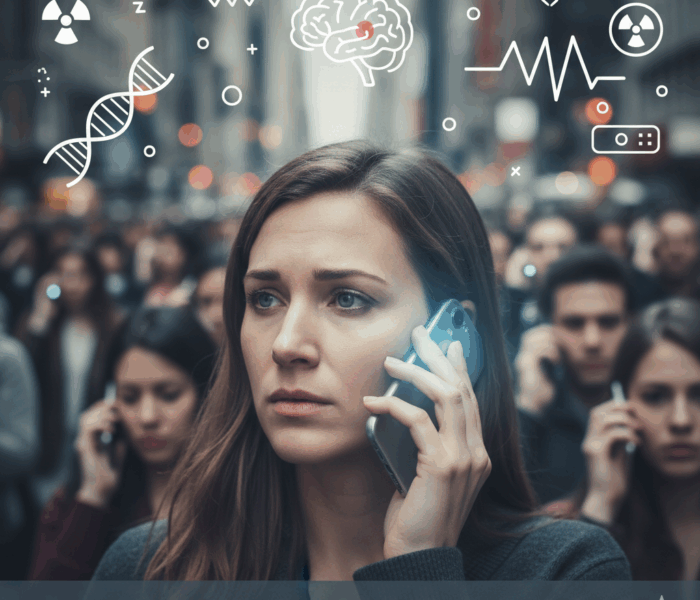
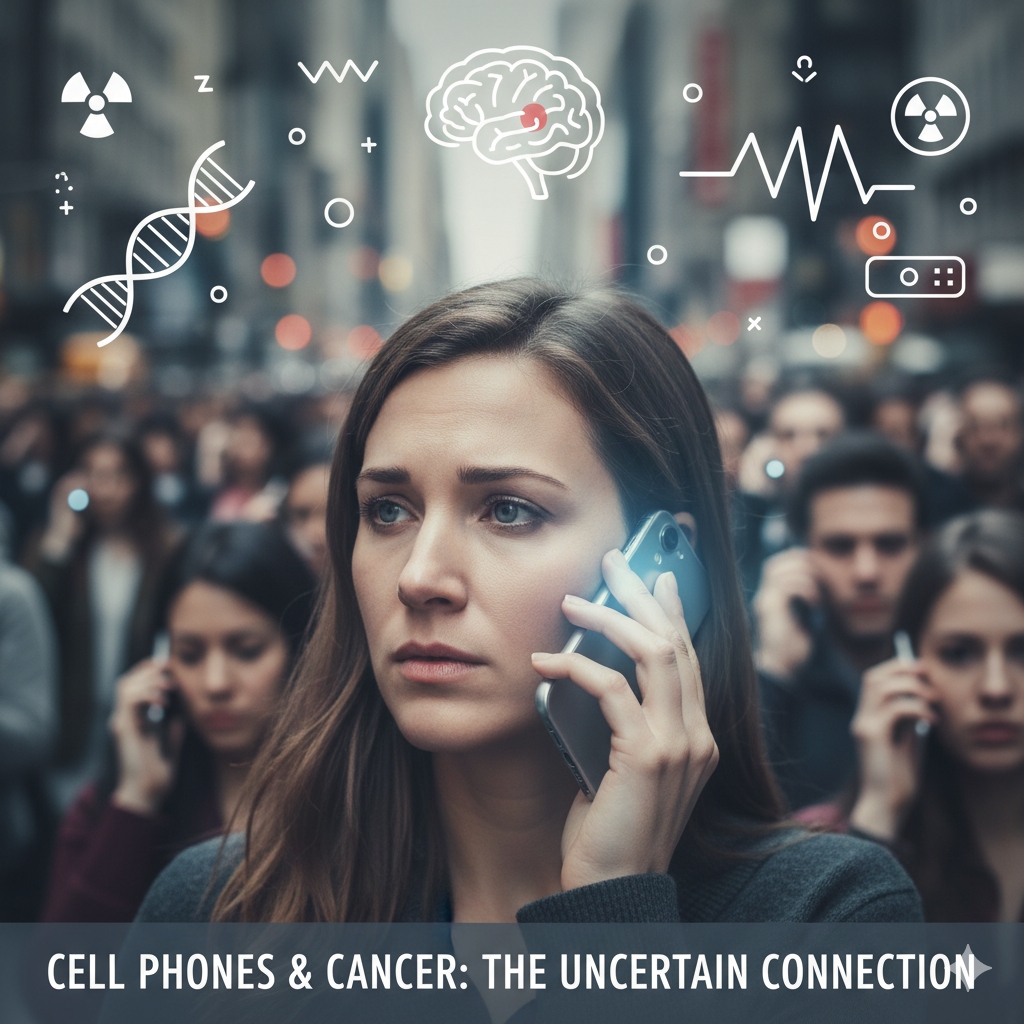
There are two main reasons why people are concerned that cell (or mobile) phones might have the potential to cause certain types of cancer or other health problems: Cell phones emit radiation (in the form of radiofrequency radiation, or radio waves), and cell phone use is widespread. Even a small increase in cancer risk from cell phones would be of concern given how many people use them. Brain and central nervous system cancers have been of particular concern because hand-held phones are used close to the head and because ionizing radiation—a higher energy form of radiation than what cell phones emit—has been found to cause some brain cancers. Many different kinds of studies have been carried out to try to investigate whether cell phone use is dangerous to human health. However, the evidence to date suggests that cell phone use does not cause brain or other kinds of cancer in humans.
September 24, 2025

The Big Idea Aspirin is one of the most common drugs worldwide—used daily for pain, fever, and heart health. But research suggests it may also reduce […]
September 5, 2025

When a brother or sister has cancer, many things change—such as what you focus on, your family’s daily routines, and even your perspective on life. While this may be one of the most difficult experiences you go through, over time you can gain strength as you work to adjust and grow during this challenging time. While there is a team of people working to help your brother or sister get better, there are also people to support you.
September 3, 2025
When people hear “cancer care,” they think about surgery, chemotherapy, or immunotherapy. But here’s the hidden truth: the success of every cancer treatment also depends on toxicology—the science of how the body reacts to harmful substances. For oncologists, nurses, pharmacists, and biotech innovators, the one clear idea is this: you can’t optimize cancer care unless you understand and manage treatment toxicity.