Blog
October 23, 2025
NASA Confirms Earth Now Has Two Moons — And What That Teaches Us About Toxicology and Product Design
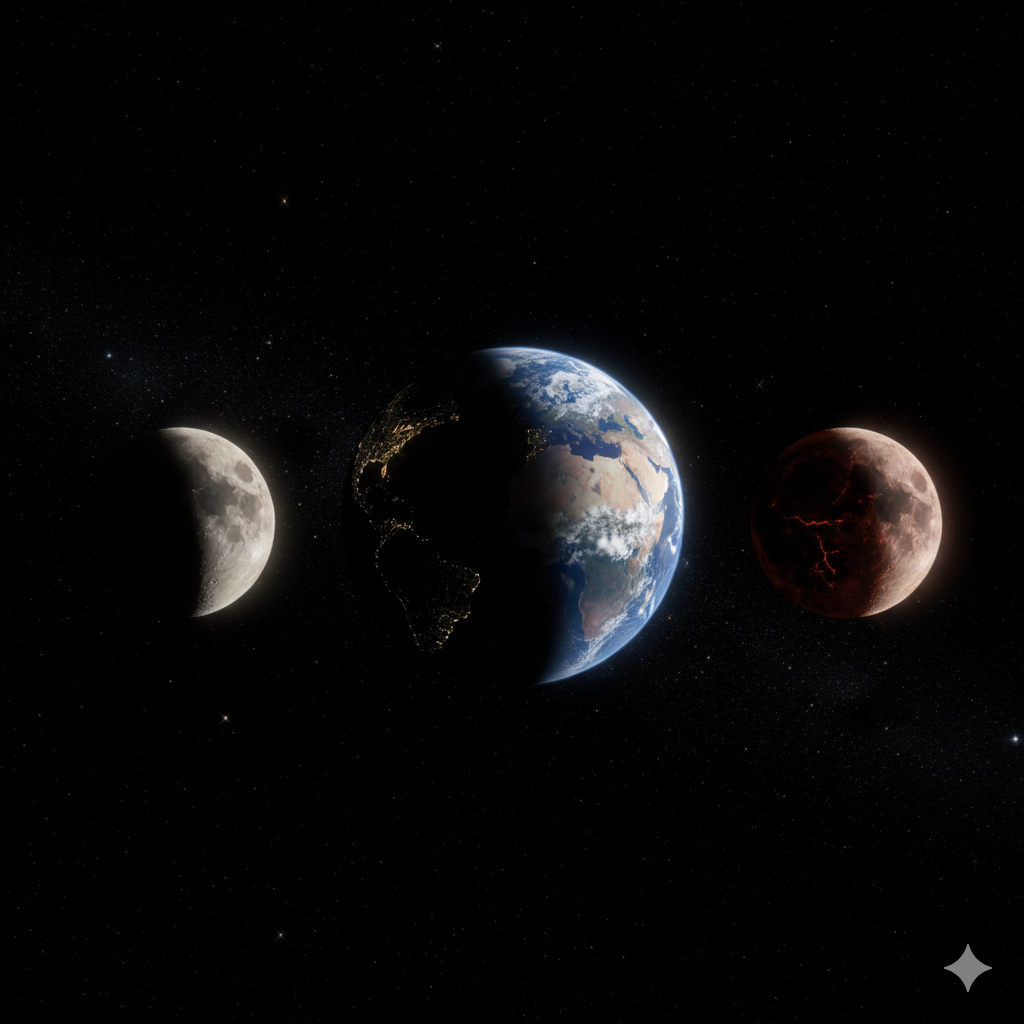
A Second Moon and a Second Look at Science NASA recently confirmed that Earth has a temporary second moon — a quasi-satellite that will orbit alongside us until 2083. This cosmic hitchhiker, roughly the size of a car, doesn’t replace our familiar Moon — but it does remind us of something profound about science: The systems we think we understand can always surprise us.
October 22, 2025

The New Frontier in Cancer Therapy Cancer therapy is evolving — again.Recent clinical data show that Tislelizumab, a humanized anti–PD-1 monoclonal antibody, combined with chemotherapy, extends […]
October 21, 2025
When we talk about Parkinson’s disease (PD), we often focus on dopamine loss, Lewy bodies, or the latest neuroprotective drug in the pipeline. But behind every molecule that makes it to trial lies a more fundamental question — why are neurons dying in the first place? And increasingly, toxicology is providing the answer.
October 20, 2025
Understanding Parkinson’s Disease: When Chemistry Turns Against the Brain Parkinson’s disease (PD) affects over 10 million people worldwide, causing tremors, muscle rigidity, and loss of motor control. The condition stems from the progressive death of dopamine-producing neurons in the brain’s substantia nigra.