
Blog

Disseminated Intravascular Coagulation – Causes

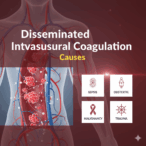
DIC is caused by another medical condition that makes the body’s normal blood clotting process become overactive. The condition progresses through two stages. In the early stages, overactive clotting leads to blood clots throughout the blood vessels. The clots can reduce or block blood flow, damaging organs.

As DIC progresses, the overactive clotting uses up platelets and clotting factors, which are protein that help with normal blood clotting. Without these platelets and clotting factors, DIC can cause bleeding just beneath the skin, in the nose or mouth, or deep inside the body.


Alpha-1 Antitrypsin Deficiency – Living With

If you already know you have AAT deficiency, you probably also have a related lung or liver disease. Ongoing medical care and lifestyle changes can help you manage your health. Your doctor may also talk to you about making healthy lifestyle changes such as quitting smoking, avoiding secondhand smoke and other lung irritants, and getting annual flu and pneumonia vaccines.

Long-Term Melatonin Use: What Toxicology, Regulation & Product Development Must Learn Now

In November 2025, the American Heart Association (AHA) reported early findings linking long-term melatonin use (≥1 year) with alarming outcomes:

~90% higher risk of heart failure

~2× higher all-cause mortality

~3.5× higher risk of hospitalization for heart failure

(AHA, 2025
, Science Media Centre Spain, 2025
)

For professionals in toxicology, regulatory science, or product development, this should be a red flag:

7 Costly FDA Mistakes EU Medical Device Companies Make

Entering the U.S. market requires a fundamental shift from the EU’s CE Marking philosophy. Underestimating the differences in the FDA’s regulatory framework leads to costly delays, Refuse-to-File letters, and Form 483s.  Here are the top 7 regulatory and quality mistakes EU device companies make:  1. Assuming CE Marking Strategy Translates to FDA Strategy  2. Underestimating […]

Infant Botulism Outbreak Linked to Infant Formula: A Toxicology & Product-Design Alarm

The implicated product: two recalled lots of ByHeart Whole Nutrition Infant Formula.

For toxicologists, regulatory scientists, and product developers, this isn’t just another recall — it’s a wake-up call.

Toxicology must be embedded in infant-formula design — not just for chemical safety, but for microbial and process-related toxins that can turn nutrition into neurotoxin exposure.

Deadly Multistate Listeria Outbreak Expands: A Wake-Up Call for Toxicologists and Product Developers

The CDC and FDA have confirmed a deadly multistate Listeria outbreak linked to ready-to-eat pasta meals, as reported by the Center for Infectious Disease Research and Policy (CIDRAP). Several states are now investigating illnesses and hospitalizations tied to contaminated refrigerated pasta products — items once considered “low-risk.” For professionals in toxicology, regulatory safety, or product […]

The Black Box Nobody Reads – The FDA’s Strongest Warning, and Why It Matters

What Is a Black Box Warning?

That bold black-bordered box on certain prescription labels — the one most people skip — is the FDA’s strongest safety warning, known as a Black Box Warning.

It’s there to alert doctors and patients to serious or life-threatening risks, but it’s not a reason to panic.
In fact, it’s a sign of transparency and accountability in the U.S. drug safety system

💬

Chat with us