Harriet Kamendi PhD
November 27, 2025

By Dr. Harriet Kamendi, PhD — Regulatory Toxicologist & CEO, Kandih BioScience USA Today reports that cases of acute myeloid leukemia (AML) continue to rise, especially […]
November 26, 2025

By Dr. Harriet Kamendi, PhD — Regulatory Toxicologist & CEO, Kandih BioScience Signal-Dense Opening According to a report from the Austin American-Statesman, Neuralink — the Elon […]
November 25, 2025

According to Fox Business
, Amazon has issued an urgent nationwide recall of multiple children’s products — including sleep loungers, toys, and furniture — after the U.S. Consumer Product Safety Commission (CPSC) determined they posed risks of strangulation, suffocation, and chemical exposure. This isn’t just another recall headline
November 21, 2025
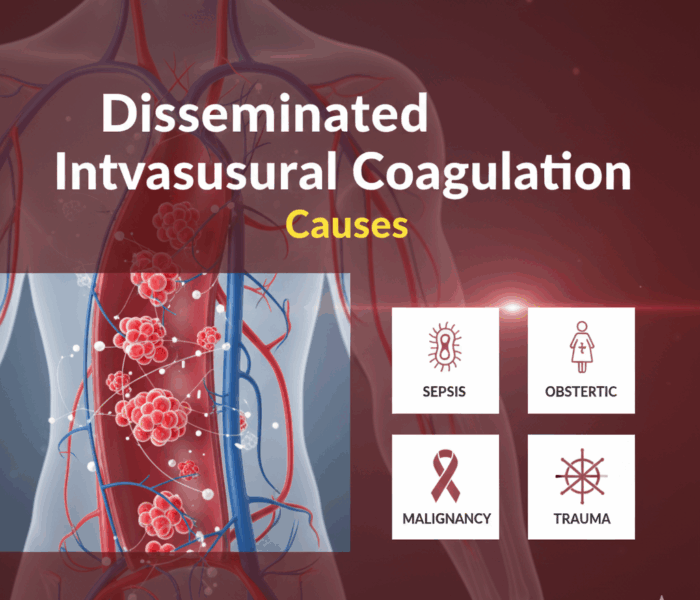
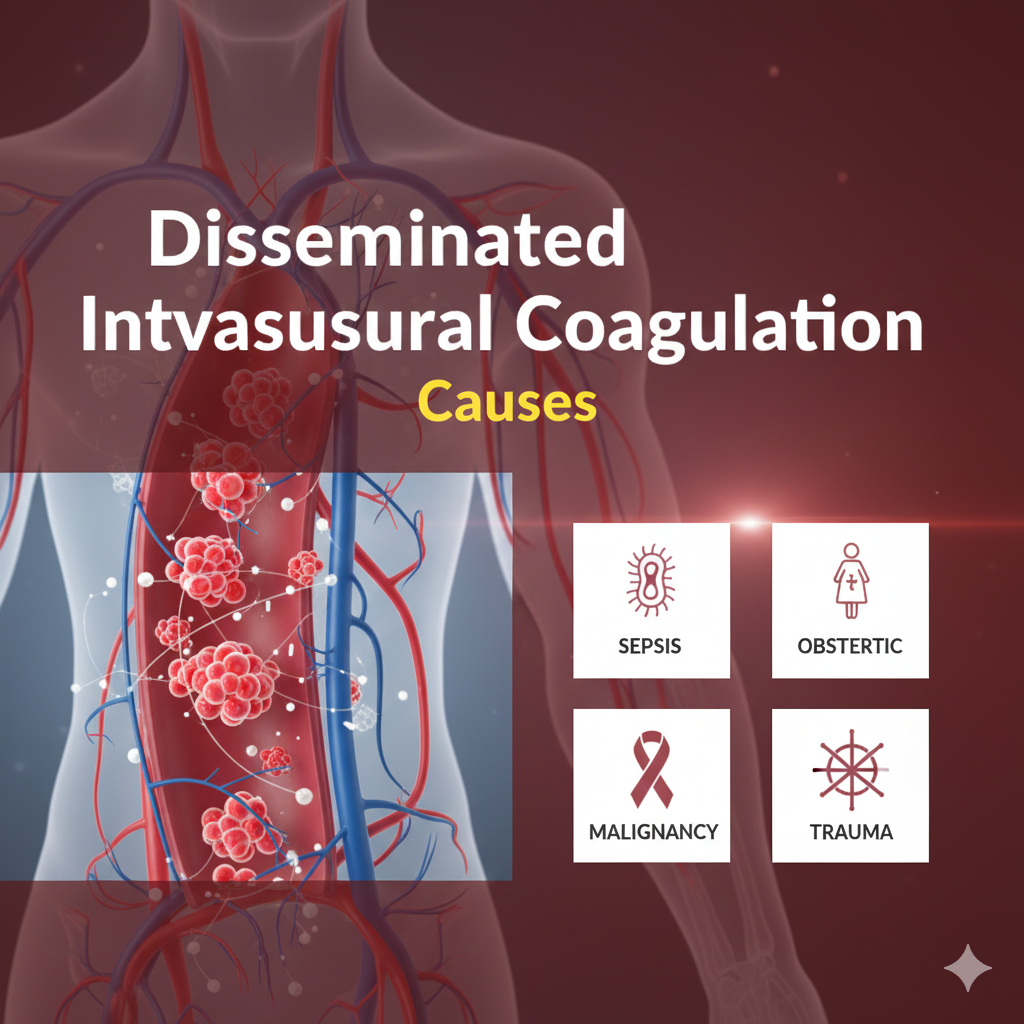
DIC is caused by another medical condition that makes the body’s normal blood clotting process become overactive. The condition progresses through two stages. In the early stages, overactive clotting leads to blood clots throughout the blood vessels. The clots can reduce or block blood flow, damaging organs. As DIC progresses, the overactive clotting uses up platelets and clotting factors, which are protein that help with normal blood clotting. Without these platelets and clotting factors, DIC can cause bleeding just beneath the skin, in the nose or mouth, or deep inside the body.