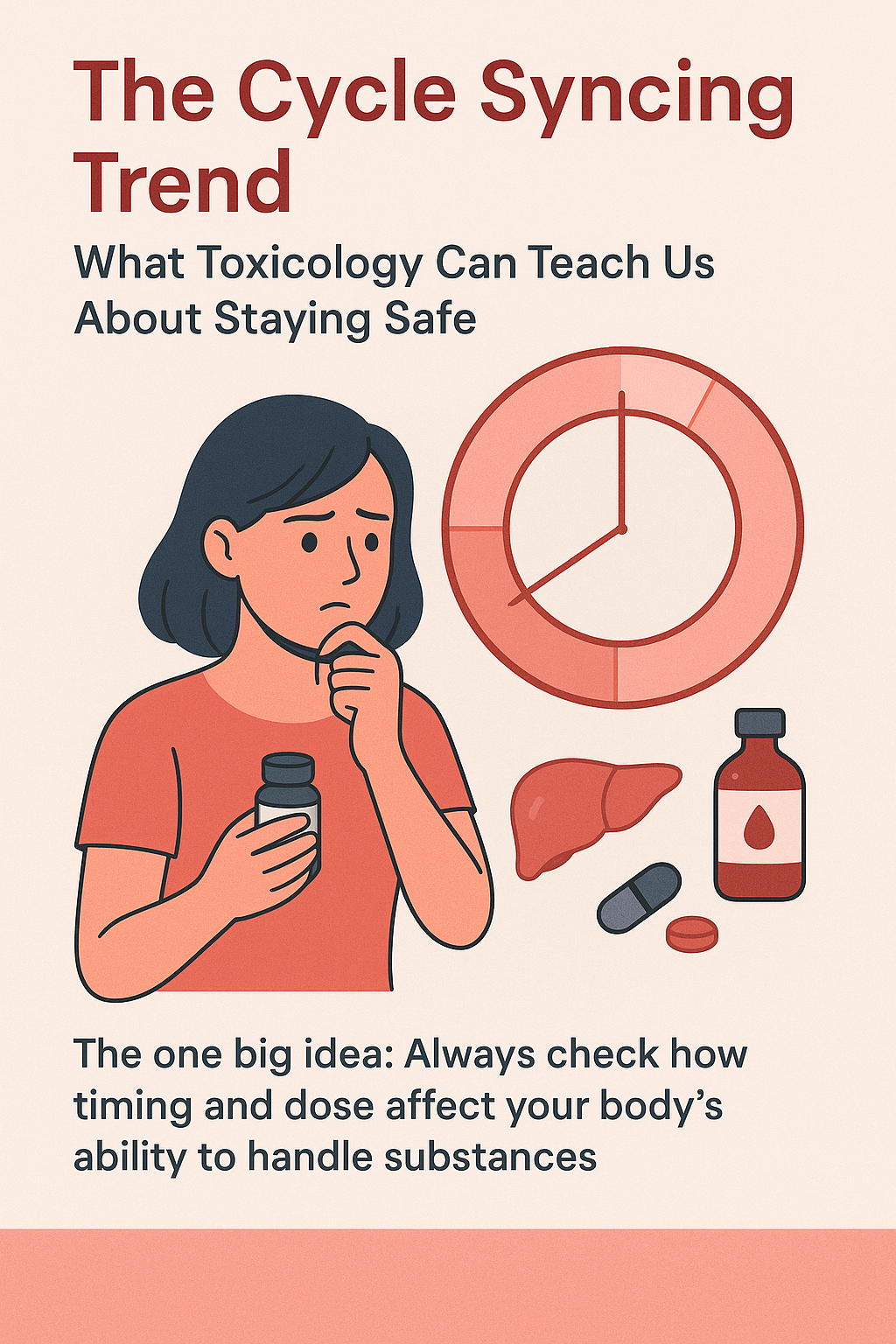
Cycle syncing” is a new health trend that’s blowing up online. It’s about planning your workouts, meals, and supplements around different phases of the menstrual cycle. Sounds cool, right? But here’s the problem: if you don’t think about toxicology (the science of how substances affect the body), cycle syncing could actually do more harm than good.
Author: admin

The Silent Risk in Fibermaxxing: A Toxicologist’s Wake-Up Call
TikTok’s “fibermaxxing” trend—urging users to dramatically boost fiber intake for gut health, fullness, and heart benefits—has gone viral. But here’s what most aren’t seeing: rapidly upping fiber without toxicologists’ guardrails may trigger unseen biochemical disruptions. If you’re a supplement developer, clinical dietitian, or wellness brand owner, here’s the single most important insight: make ‘toxicology of fiber overload’ your early-warning system.
Vaccine Safety
In the United States, a number of safeguards are required by law to help ensure that the vaccines we receive are safe. Because vaccines are given to millions of healthy people—including children—to prevent serious diseases, they’re held to very high safety standards.
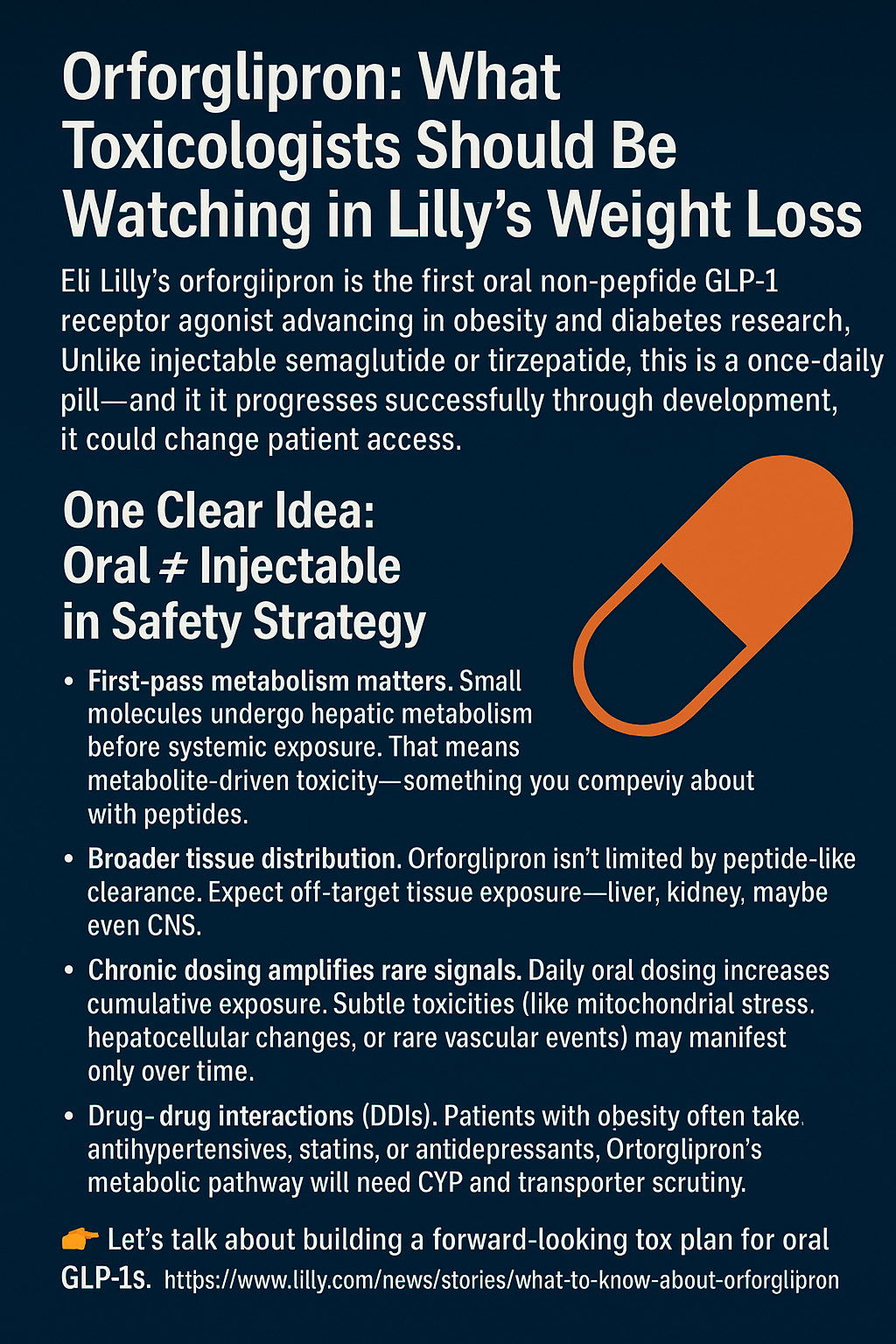
Orforglipron: What Toxicologists Should Be Watching in Lilly’s Weight Loss Pill
Eli Lilly’s orforglipron is the first oral non-peptide GLP-1 receptor agonist advancing in obesity and diabetes research. Unlike injectable semaglutide or tirzepatide, this is a once-daily pill—and if it progresses successfully through development, it could change patient access.
A New Moon Around Uranus – and What It Teaches Us About Hidden Risks in Toxicology
Astronomers just announced the discovery of a brand-new moon orbiting Uranus. That’s right—40 years after Voyager 2 passed by, we’re still finding satellites hiding in plain sight. The discovery reminds us of something every toxicologist knows well: sometimes the most important influences on a system are the ones you can’t see—until you look closer.
When the Sky Goes Dark: What a Rare Black Moon Can Teach Us About Hidden Toxic Risks
August 24–25, 2025 brought a rare celestial event: a Black Moon—our second new moon in one month, the first in 33 months. Most people didn’t even notice. There was no bright glow, no dramatic eclipse, just darkness. Yet, astronomers know it matters. And that’s the perfect reminder for toxicologists and health professionals: the most important risks are often the ones we can’t see.
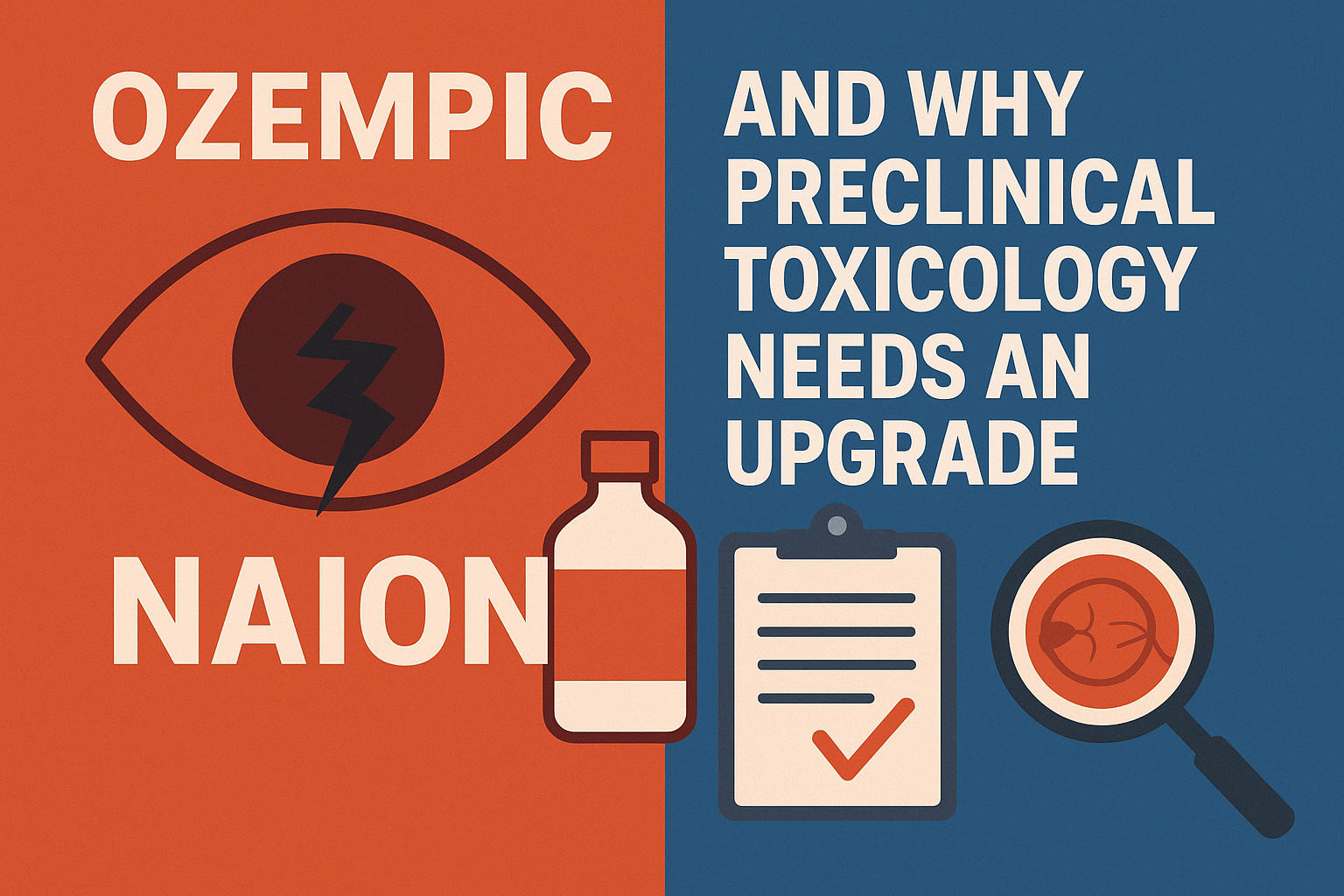
Ozempic, NAION, and Why Preclinical Toxicology Needs an Upgrade
In June 2025, the European Medicines Agency (EMA) confirmed what many clinicians suspected: non-arteritic anterior ischemic optic neuropathy (NAION) is now recognized as a very rare but real side effect of semaglutide (Ozempic).
For patients, this means sudden, irreversible vision loss.
For drug developers, it’s a wake-up call: standard GLP toxicology will almost never catch NAION.
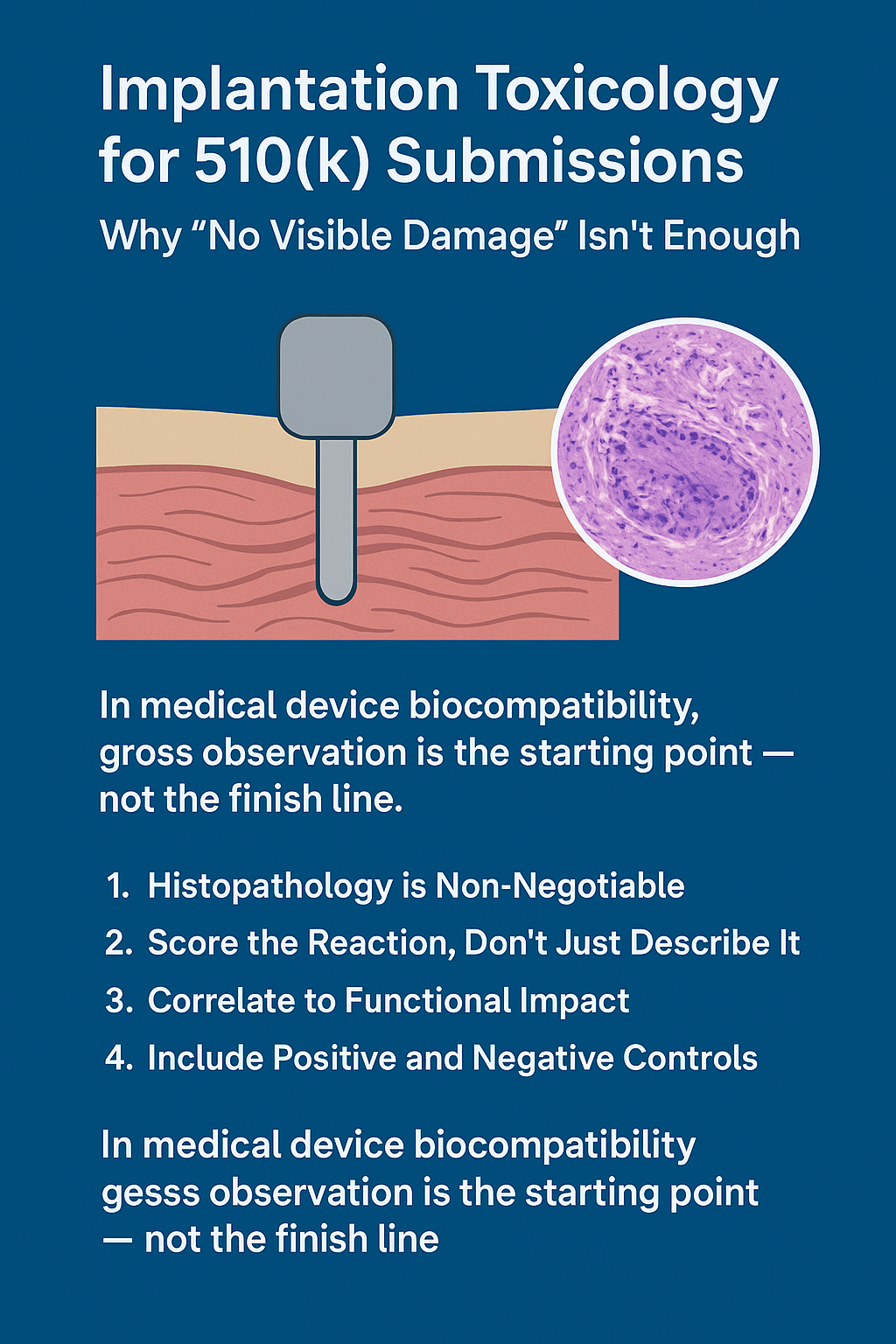
Implantation Toxicology for 510(k) Submissions: Why “No Visible Damage” Isn’t Enough
In medical device biocompatibility, gross observation is the starting point — not the finish line.
If your implantation study report for a 510(k) simply says “no visible tissue reaction”, you’re setting yourself up for FDA pushback.
Why? Because regulators know what seasoned toxicologists know: devices can cause microscopic and functional changes long before they cause visible tissue damage.
Implantation Study Success Starts with the Right Tissue Site(A Toxicologist’s Guide for 510(k) Submissions)
Choosing the wrong tissue site in an implantation study is one of the fastest ways to derail your 510(k) submission.
We’ve seen FDA request repeat testing—adding months and tens of thousands of dollars—simply because the chosen implantation site didn’t match the device’s intended clinical use.