
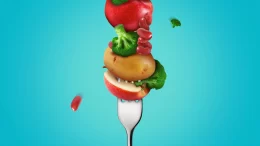
TikTok’s “fibermaxxing” trend—urging users to dramatically boost fiber intake for gut health, fullness, and heart benefits—has gone viral. But here’s what most aren’t seeing: rapidly upping fiber without toxicologists’ guardrails may trigger unseen biochemical disruptions. If you’re a supplement developer, clinical dietitian, or wellness brand owner, here’s the single most important insight: make ‘toxicology of fiber overload’ your early-warning system.
Why This Matters for You and Your Product
– Gut microbiome shifts: Fiber feeds microbiota—but the wrong balance or source can produce excessive fermentation, triggering bloating, dysbiosis, or even toxic metabolite formation.
– Nutrient absorption changes: High fiber intake alters absorption rates—potentially reducing uptake of essential nutrients or medications.
– Contaminants in supplements: Bulking fibers like psyllium husk or chia seeds may carry trace toxins or heavy metals if sourced poorly.
Your Tactical “Mini Scan”—Quick, Thematic, Effective
Here’s a speed-tested toxicology checklist to embed:
– Batch testing for heavy metals and mold in fiber supplements.
– In vitro or pilot human GI absorption studies—look for changes in nutrient or co-administered drug uptake.
– Short-term microbiome metabolite profiling—are unexpected compounds (e.g., phenols, amines) being generated?
That’s it. A few hundred dollars, a few days’ work, and you’re pacing ahead of the trends—protecting consumers and products alike.
Wisdom from Experience:
A clinic advising high‑fiber diets failed to notice that one patient’s levothyroxine doses were suddenly less effective—because binding fibers were reducing absorption. A quick interaction review avoided a dangerous hypothyroid misstep.
What You Do Now
If “fibermaxxing” is trending in your community, your defensive moat is a focused toxicology step—landing between raw enthusiasm and safe innovation. It says: “We care more than what’s trendy; we care about what’s safe.”
References
– “Fibermaxxing” trend: encourages increasing dietary fiber intake; experts recommend gradual increase, balanced soluble-to-insoluble ratio (~2:1), and hydration to avoid discomfort. https://www.foodandwine.com/what-is-fibermaxxing-11783481
– Food & Wine coverage explaining the trend mechanics and expert cautions. https://www.axios.com/local/pittsburgh/2025/08/25/fibermaxxing-is-trending-pittsburgh