
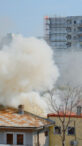
On September 9, 2025, researchers delivered a critical warning: even short-term exposure to smog can accelerate the buildup of toxic proteins in the brain linked to Alzheimer’s disease—with urban populations most at risk (ScienceDaily
).
If you’re a clinician, public health planner, or policymaker, here’s the single insight that matters:
toxicology isn’t just about what you ingest—it’s about what you breathe. And airborne neurotoxins demand urgent, strategic attention.
Why This Matters for You and Your Community
– Invisible danger: Fine particulate matter (PM₂.₅) doesn’t stop at the lungs—it enters the bloodstream and crosses into the brain, driving both vascular and neuronal injury.
– Rapid effects: Rapid toxins can accelerate vascular damage and accelerate brain protein accumulation.
– Vascular inflammation: Airborne toxins inflame blood vessels, accelerating vascular damage. Compromised vessels weaken the blood-brain barrier, opening the door for toxic proteins to accumulate in brain tissue.
– Waning buffers: Aging, cardiovascular disease, and genetic vulnerabilities (like APOE4) reduce natural defenses, leaving millions more exposed.
Your Tactical “Breathe Safe” Initiative
A toxicology-informed playbook to embed into community health strategy:
Air exposure mapping – Track PM₂.₅ in high-risk corridors (urban centers, highways) and overlay with vulnerable populations.
Targeted early screening – Use cognitive, vascular, or neuroinflammation biomarkers after high-smog events—even if exposure was brief.
Intervention moment – Stock emergency kits with air purifiers or N95 masks; deploy during wildfire seasons or peak smog alerts.
Outreach messaging – Clear, direct public health messages: “Even short exposures matter—limit outdoor activity on smog days, especially if you’re over 50 or have chronic health conditions.”
From the Toxicologist’s Field Experience
During wildfire smoke events, respiratory warnings weren’t enough. The health department added cognitive screenings, vascular health checks, and indoor air filtration protocols for elders. Within months, complaints of confusion, fatigue, and morning headaches dropped.
Lesson: air safety isn’t just about lungs—it’s about protecting blood vessels and the brain.
The Bottom Line
Airborne toxins don’t just irritate lungs. They inflame blood vessels, disrupt the brain’s defenses, and accelerate neurotoxic protein buildup.
If you want to safeguard brain health at a population level, you need a toxicology-led, air-aware strategy—one that protects breathing, blood flow, and thinking.
References
– Short-term air pollution accelerates Alzheimer’s-related protein buildup in the brain. Science Daily: https://www.sciencedaily.com/releases/2025/09/250908175450.htm
– Health Empowerment Day encourages active health engagement and self-advocacy—timely as environmental risks shift. Healthline: https://www.healthline.com
– MAHA Commission strategy highlights chemicals and poor diet in pediatric health—airborne toxins tie into this ecosystem of environmental risks. Scientific American: https://www.scientificamerican.com
– Brook RD, Rajagopalan S. Particulate matter, air pollution, and blood pressure. J Am Coll Cardiol. 2009;54(14):1237–1247.
– Block ML, Calderón-Garcidueñas L. Air pollution: mechanisms of neuroinflammation and CNS disease. Trends Neurosci. 2009;32(9):506–516.