Blog
October 13, 2025

Typhoid fever isn’t a relic of the past—it remains a global health threat, particularly in regions with limited access to clean water and sanitation. For travelers, clinicians, and global health professionals, vaccination remains the cornerstone of prevention.
October 10, 2025
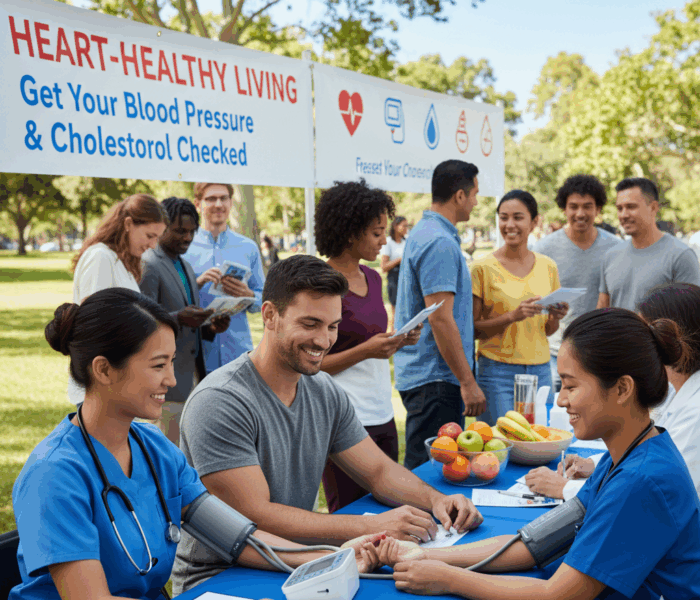
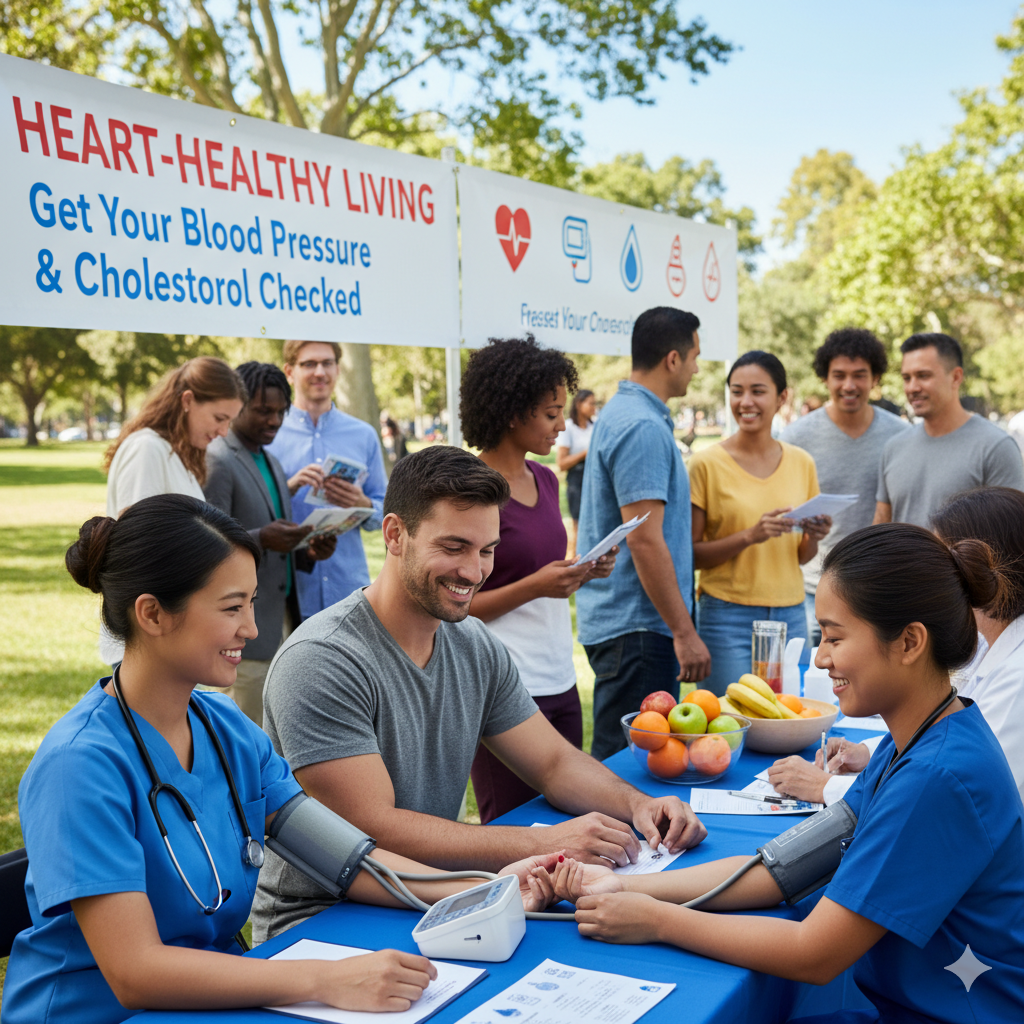
Blood pressure is the force of blood pushing against the walls of your arteries as your heart pumps blood. If this pressure rises and stays high over time, it can damage your heart and your blood vessels and lead to plaque buildup. Most adults should have their blood pressure checked at least once a year. If you have high blood pressure, you will likely need to be checked more often. Talk with your doctor about how often you should have your blood pressure checked.
October 9, 2025
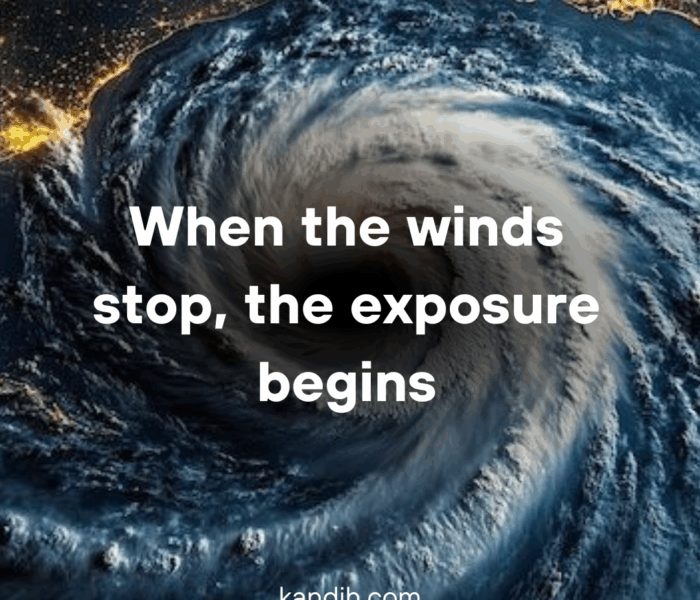
When a hurricane strikes, the focus usually centers on wind speed, flooding, and evacuation routes. But after the storm passes, an invisible crisis begins: toxic exposure. Floodwaters, mold, sewage, fuels, and damaged infrastructure release a cocktail of chemicals into the air, soil, and water—creating a public health emergency that often goes unnoticed. If you’re a public health professional, environmental scientist, or community responder, here’s the one clear idea:
October 8, 2025

Depo-Provera—the injectable form of medroxyprogesterone acetate—has been a cornerstone of contraception for decades. It’s convenient, discreet, and highly effective. But behind every safe injection lies the often unseen work of toxicologists, who study how hormones interact with the body across months and years.