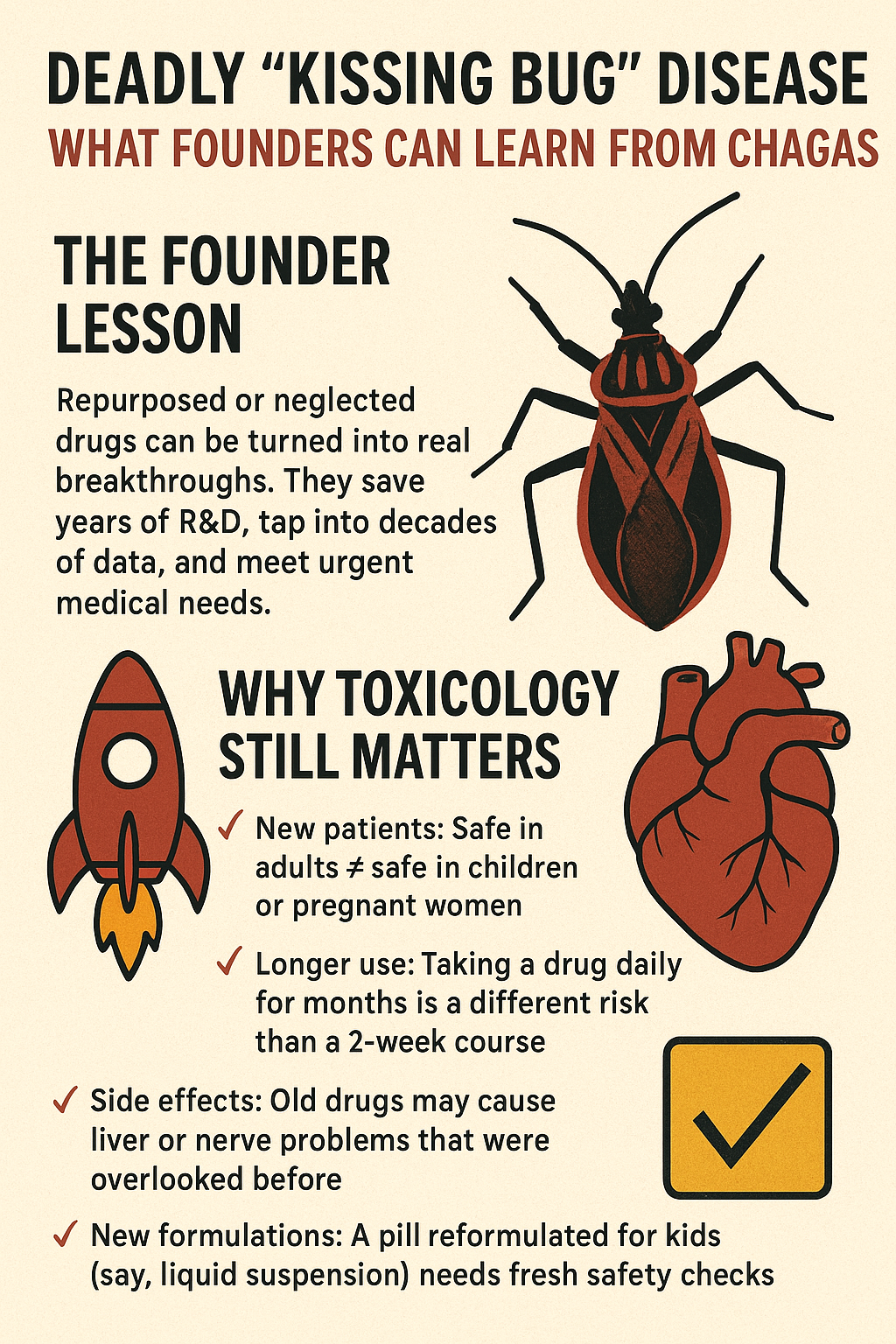
Chagas disease, spread by the so-called “kissing bug,” affects 6–7 million people worldwide. Left untreated, it can cause heart failure and even death. There are drugs for it—benznidazole and nifurtimox—but here’s the problem: – They’re old. – They’re harsh. – And they don’t work well enough for every patient. This is where you, the founder […]
Blog

Support for Teens When a Family Member Has Cancer
When a brother or sister has cancer, many things change—such as what you focus on, your family’s daily routines, and even your perspective on life. While this may be one of the most difficult experiences you go through, over time you can gain strength as you work to adjust and grow during this challenging time. While there is a team of people working to help your brother or sister get better, there are also people to support you.

Repurposed Medicines: Fast Isn’t Always Safe — Unless You Use This Advantage
Headlines buzzed about azelastine, a simple allergy spray that showed promise in cutting COVID infections.
That’s the magic of drug repurposing:
Take an old medicine, give it a new job, and skip years of costly R&D.
But here’s the truth no one puts on the slide deck:
Repurposing only works if toxicology is in the driver’s seat.

The Overlooked Side of Cancer Care: Why Toxicology is Your Silent Partner
When people hear “cancer care,” they think about surgery, chemotherapy, or immunotherapy. But here’s the hidden truth: the success of every cancer treatment also depends on toxicology—the science of how the body reacts to harmful substances. For oncologists, nurses, pharmacists, and biotech innovators, the one clear idea is this: you can’t optimize cancer care unless you understand and manage treatment toxicity.
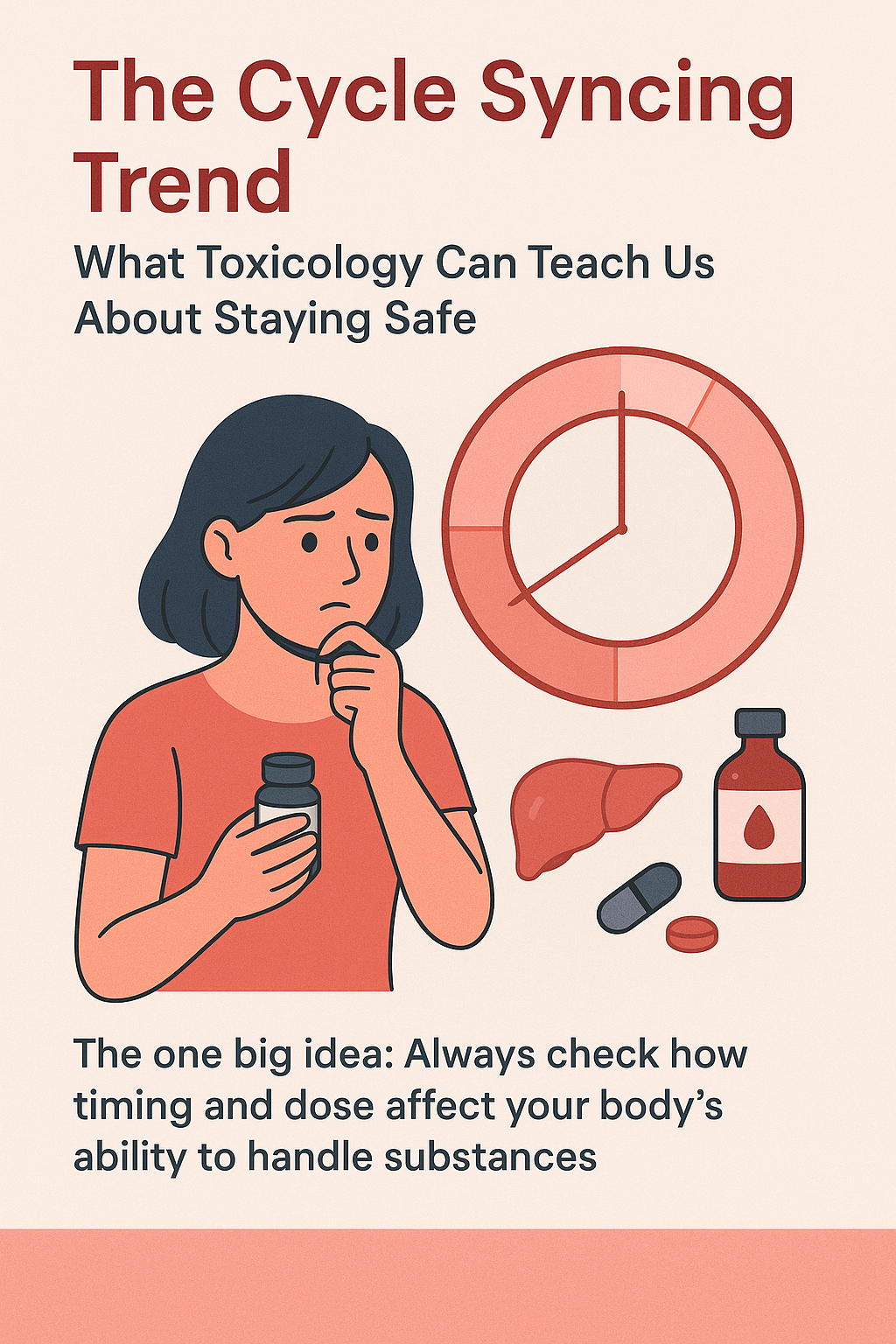
The Cycle Syncing Trend: What Toxicology Can Teach Us About Staying Safe
Cycle syncing” is a new health trend that’s blowing up online. It’s about planning your workouts, meals, and supplements around different phases of the menstrual cycle. Sounds cool, right? But here’s the problem: if you don’t think about toxicology (the science of how substances affect the body), cycle syncing could actually do more harm than good.

The Silent Risk in Fibermaxxing: A Toxicologist’s Wake-Up Call
TikTok’s “fibermaxxing” trend—urging users to dramatically boost fiber intake for gut health, fullness, and heart benefits—has gone viral. But here’s what most aren’t seeing: rapidly upping fiber without toxicologists’ guardrails may trigger unseen biochemical disruptions. If you’re a supplement developer, clinical dietitian, or wellness brand owner, here’s the single most important insight: make ‘toxicology of fiber overload’ your early-warning system.
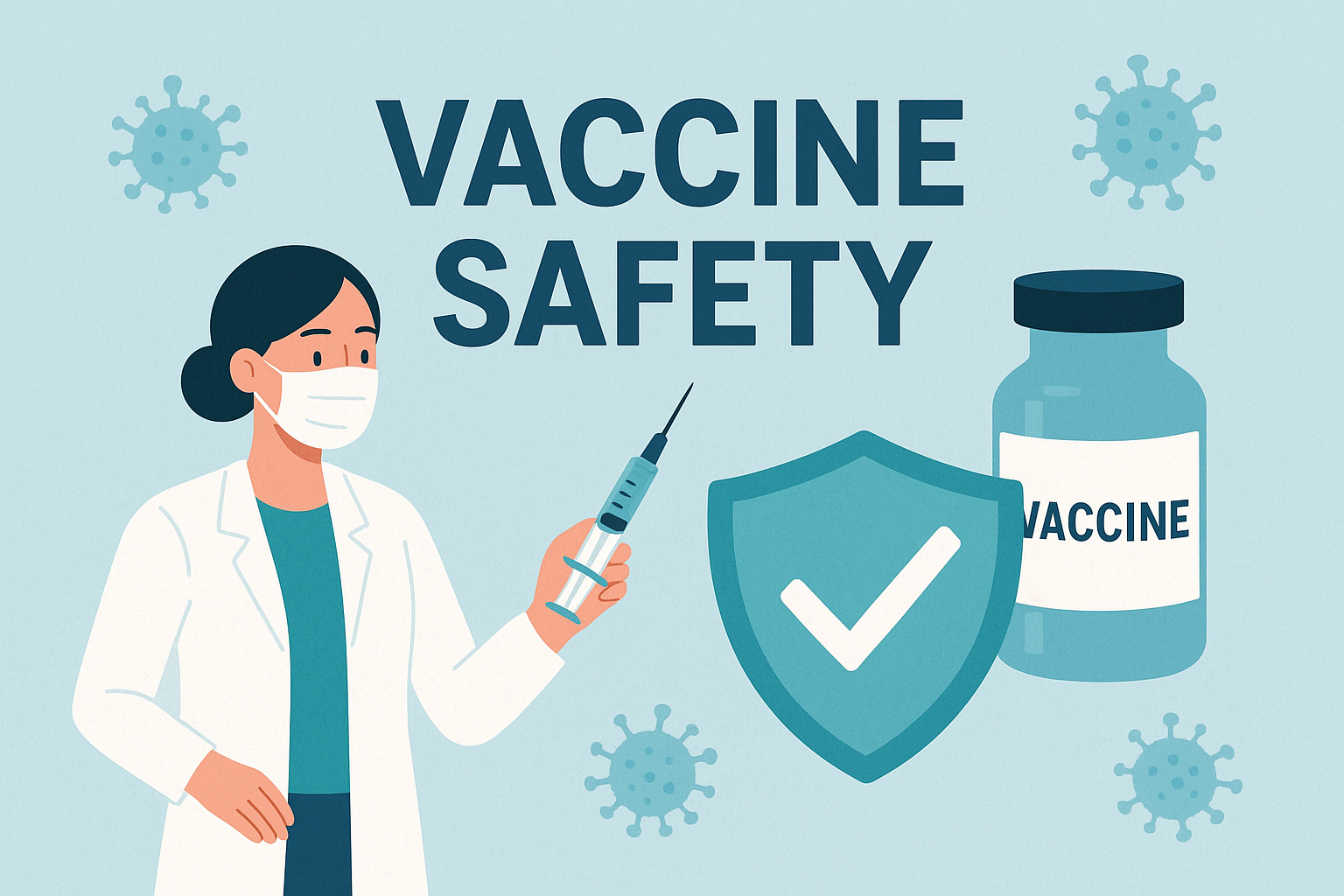
Vaccine Safety
In the United States, a number of safeguards are required by law to help ensure that the vaccines we receive are safe. Because vaccines are given to millions of healthy people—including children—to prevent serious diseases, they’re held to very high safety standards.
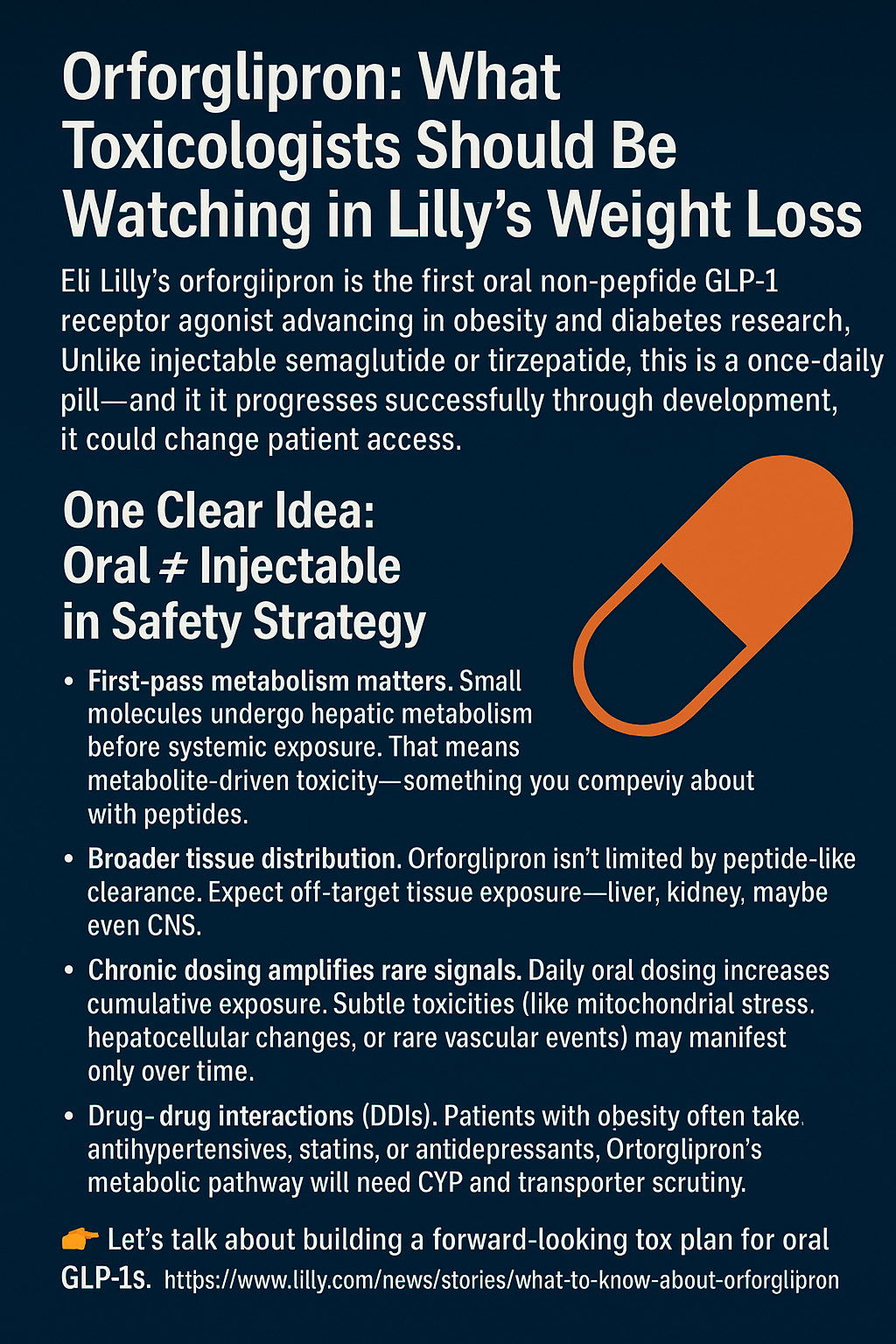
Orforglipron: What Toxicologists Should Be Watching in Lilly’s Weight Loss Pill
Eli Lilly’s orforglipron is the first oral non-peptide GLP-1 receptor agonist advancing in obesity and diabetes research. Unlike injectable semaglutide or tirzepatide, this is a once-daily pill—and if it progresses successfully through development, it could change patient access.
A New Moon Around Uranus – and What It Teaches Us About Hidden Risks in Toxicology
Astronomers just announced the discovery of a brand-new moon orbiting Uranus. That’s right—40 years after Voyager 2 passed by, we’re still finding satellites hiding in plain sight. The discovery reminds us of something every toxicologist knows well: sometimes the most important influences on a system are the ones you can’t see—until you look closer.