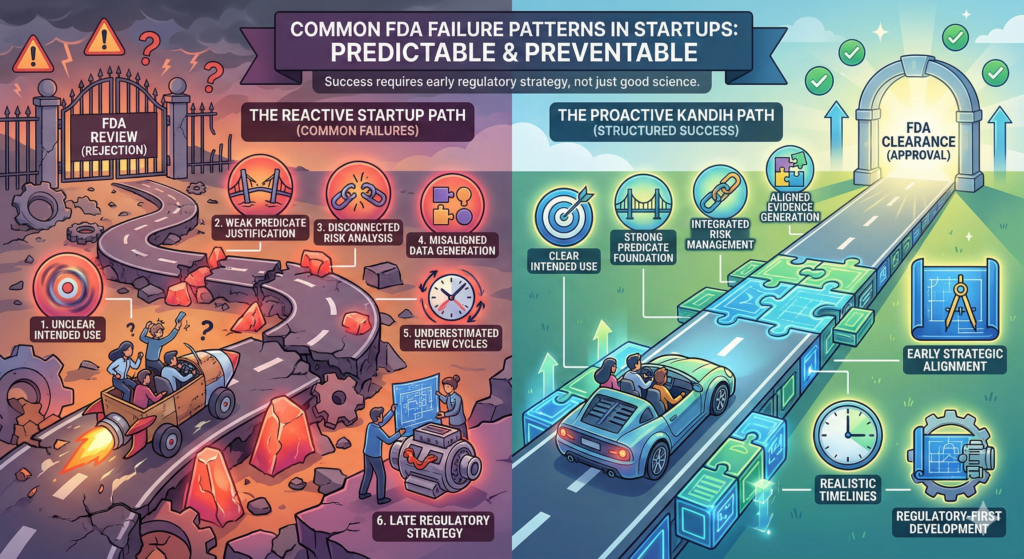
High Blood Pressure Medication Voluntarily Recalled — What Toxicologists Saw Coming

Environmental Risk Assessments (ERAs) for Pharmaceuticals: Global Regulatory Landscape and Implementation
December 8, 2025
Rezulin and the Toxicology Lessons We Still Haven’t Learned
December 10, 2025
(And What Product Developers Must Learn Before the Next Recall)
According to The Hill, a widely used high-blood-pressure medication was voluntarily recalled after FDA testing identified contamination and quality issues that could pose serious risks to patients.
Why do these recalls keep happening?
Because wherever chemistry, manufacturing, and patient exposure intersect — toxicology decides the outcome.
Here’s the one idea you should take away:
Drug recalls aren’t failures of luck. They’re failures of toxicology thinking inside product development.
Why This Recall Matters
As The Hill reports, the medication was pulled due to potentially harmful impurities.
This fits a long pattern. Over the past decade, many antihypertensive drugs — especially the “sartan” class — have been recalled due to nitrosamine contamination, a group of probable human carcinogens.
This recall reflects familiar systemic issues:
manufacturing shortcuts
reactive starting materials
solvent contamination
poor impurity modeling
inadequate stress testing
weak supply-chain oversight
From a toxicology perspective, this is not surprising — and more importantly, it is preventable.
Toxicology’s Role in This Recall (And Every Recall Like It)
1. The Impurity Problem — Where Toxicology Lives
Impurities are not manufacturing nuisances; they are toxic exposures with real biological consequences.
Common high-risk impurity classes:
nitrosamines
heavy metals
reactive intermediates
solvent residues
degradation products
Toxicologists assess:
mutagenicity
carcinogenicity
organ-specific toxicity
chronic exposure risk
A recall simply means the toxicology evaluation happened after the damage was already built into the system.
2. Regulatory Toxicology: The Real Safety Gatekeeper
Under FDA and ICH M7 (R2), companies must demonstrate that any genotoxic impurity is:
identified
quantified
controlled
toxicologically justified
When recalls occur, it means at least one of these pillars failed.
Regulatory toxicologists shape:
impurity profiles
acceptable intake limits
risk-mitigation strategies
degradation modeling
stability-related impurity projections
If this thinking doesn’t enter product development early, recalls become a statistical certainty.
3. Product Development: The Blind Spot That Keeps Biting Us
Pharma teams often fixate on efficacy while underinvesting in toxicity risk modeling — especially impurities.
Here’s the truth most companies avoid saying out loud:
The biggest threats to drug safety rarely come from the active ingredient.
They come from everything that touches it.
Toxicologists must be embedded at:
raw material qualification
process-chemistry design
supplier auditing
packaging and storage selection
accelerated stability planning
extractables/leachables risk assessment
Without this, you’re not developing a drug — you’re developing a liability.
Practical & Tactical Lessons (That Could Prevent the Next Recall)
1. Build a Toxicology Map Before You Build a Manufacturing Process
Trace every impurity risk from:
starting materials
solvents
catalysts
intermediates
packaging materials
2. Use Predictive Toxicology Tools
Model:
nitrosamine formation pathways
degradation chemistry
impurity transformation under heat/humidity
before scale-up.
3. Treat Suppliers Like Co-Developers
One contaminated raw material batch can compromise an entire global market supply.
Audit suppliers as if your FDA approval depends on them — because it does.
4. Re-Test Stability Under Realistic Patient Conditions
Shipping, heat, humidity, and storage duration often create impurities missed in idealized lab conditions.
5. Document Toxicology Like the FDA Reviewer Is Sitting Behind You
Because one day, they will be.
My Professional Opinion (The Toxicologist in Me Needs to Say This)
Drug recalls almost never surprise me — and that is exactly the problem.
We still operate in an industry where:
toxicology enters too late
cost containment outranks risk assessment
manufacturing adjustments are not modeled for toxicological impact
My professional stance:
Every pharma organization must elevate toxicology from a regulatory checkbox to a strategic discipline.
Recalls are not random accidents. They’re symptoms of design failures — choices made months or years before a product ever reached a pharmacy shelf.
The Bottom Line
This recall is not just a manufacturing story.
It is a toxicology failure.
If we want fewer recalls, fewer safety scares, and fewer warning letters, product developers must start thinking the way toxicologists think:
Anticipate the hazard.
Model the exposure.
Control the risk.
Monitor forever.
That is how you build drug products that stay safe when real-world conditions take over.
References (with verified links)
1. The Hill. High-blood-pressure medication voluntarily recalled: FDA.
https://thehill.com/policy/healthcare/5636604-high-blood-pressure-medication-voluntarily-recalled-fda/
2. U.S. Food and Drug Administration (FDA). Nitrosamine Impurities in Medications.
https://www.fda.gov/drugs/drug-safety-and-availability/information-about-nitrosamine-impurities-medications
3. Centers for Disease Control and Prevention (CDC). Medication Safety.
https://www.cdc.gov/medicationsafety
4. ICH M7 (R2). Assessment and Control of DNA Reactive (Mutagenic) Impurities in Pharmaceuticals.
https://www.ema.europa.eu/en/ich-m7-assessment-control-dna-reactive-mutagenic-impurities-pharmaceuticals-limit-potential-carcinogenic-risk-scientific-guideline
5. Justin M. et al. N-Nitrosamine Formation in Pharmaceutical Solid Drug Products: Experimental Observations
https://jpharmsci.org/article/S0022-3549(23)00028-X/abstract