Blog
September 3, 2025
When people hear “cancer care,” they think about surgery, chemotherapy, or immunotherapy. But here’s the hidden truth: the success of every cancer treatment also depends on toxicology—the science of how the body reacts to harmful substances. For oncologists, nurses, pharmacists, and biotech innovators, the one clear idea is this: you can’t optimize cancer care unless you understand and manage treatment toxicity.
September 2, 2025
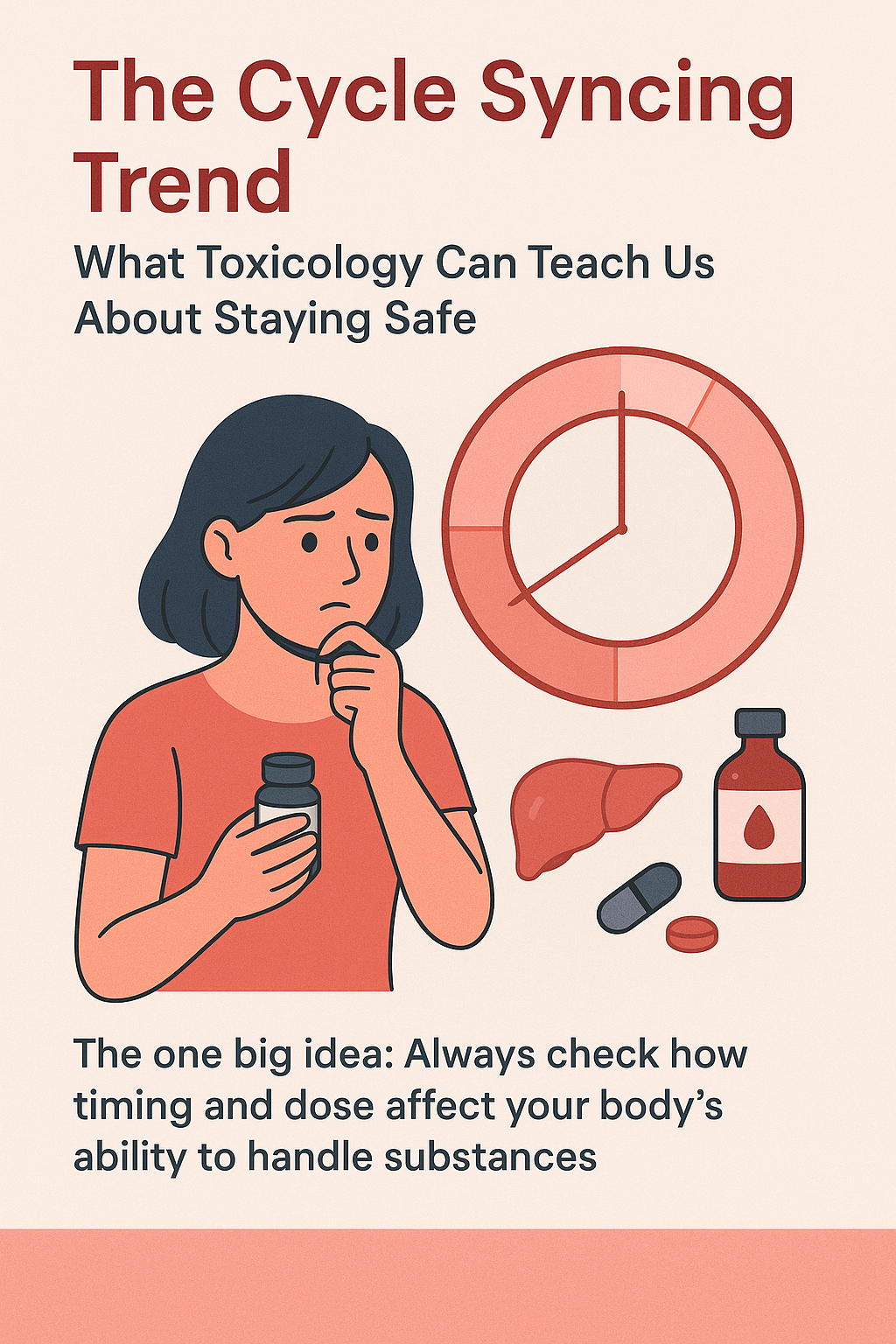
Cycle syncing” is a new health trend that’s blowing up online. It’s about planning your workouts, meals, and supplements around different phases of the menstrual cycle. Sounds cool, right? But here’s the problem: if you don’t think about toxicology (the science of how substances affect the body), cycle syncing could actually do more harm than good.
September 1, 2025

TikTok’s “fibermaxxing” trend—urging users to dramatically boost fiber intake for gut health, fullness, and heart benefits—has gone viral. But here’s what most aren’t seeing: rapidly upping fiber without toxicologists’ guardrails may trigger unseen biochemical disruptions. If you're a supplement developer, clinical dietitian, or wellness brand owner, here’s the single most important insight: make ‘toxicology of fiber overload’ your early-warning system.
August 29, 2025
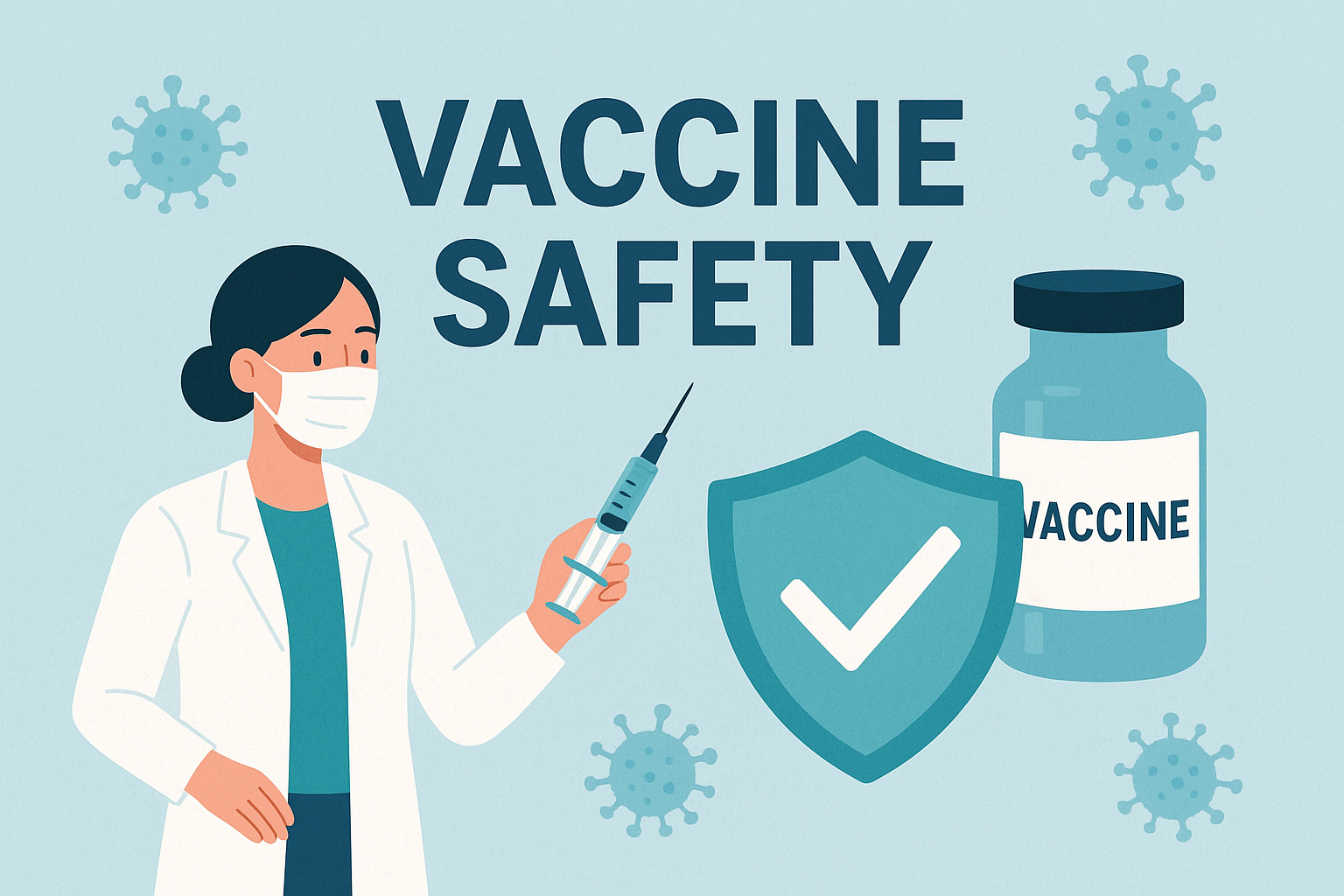
In the United States, a number of safeguards are required by law to help ensure that the vaccines we receive are safe. Because vaccines are given to millions of healthy people—including children—to prevent serious diseases, they’re held to very high safety standards.