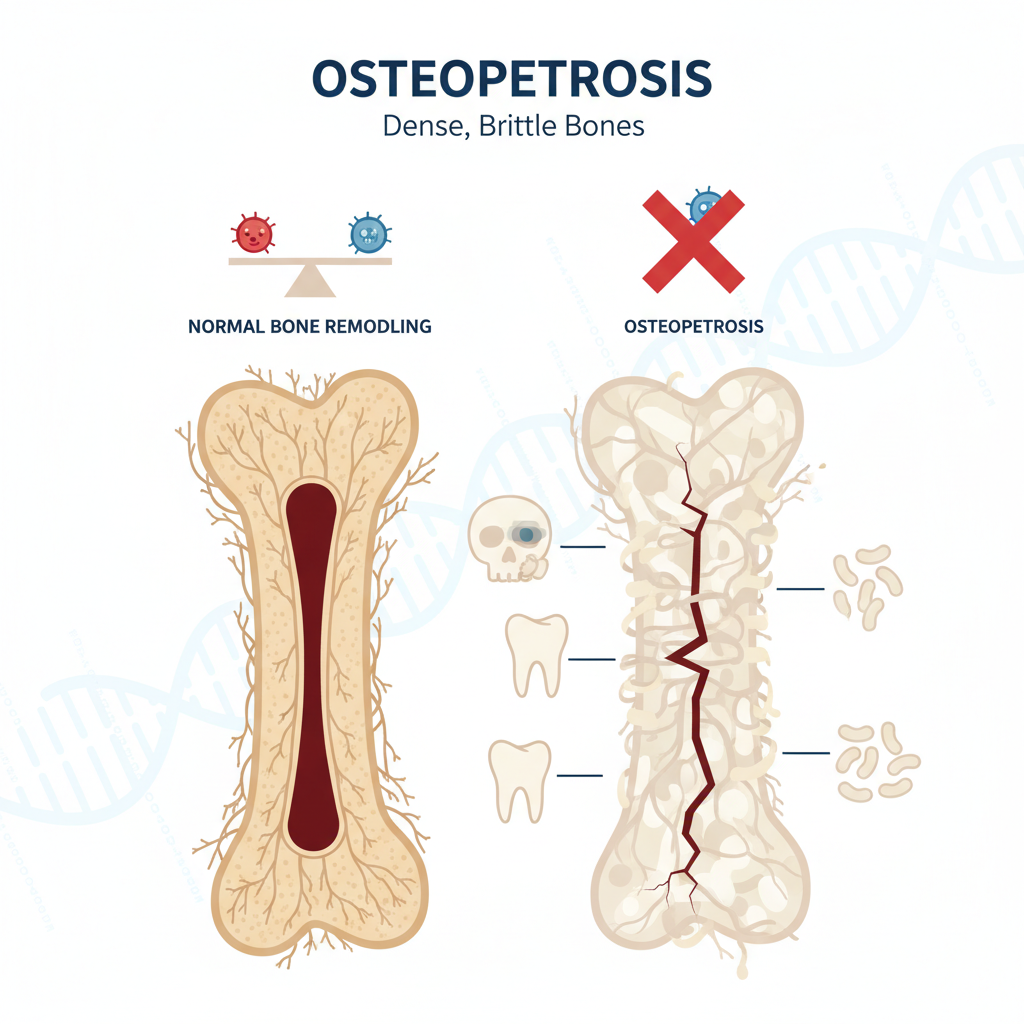

Huntington’s disease (HD) sits at the crossroads of genetics, neurodegeneration, and innovation. This rare, inherited disorder progressively affects movement, mood, and cognition — and while there’s still no cure, dozens of investigational therapies are advancing rapidly through preclinical and clinical pipelines.
Author: admin
Winter Storms & Toxicology: The Hidden Health Risks Beneath the Ice
When a winter storm hits, we brace for power outages, icy roads, and freezing temperatures. But toxicologists know another danger lurks quietly in the cold: chemical and environmental exposures that surge during winter emergencies.
If you’re a clinician, emergency manager, or public health professional, here’s the one clear idea:

Typhoid Vaccine & Toxicology: The Science That Keeps Immunity Safe
Typhoid fever isn’t a relic of the past—it remains a global health threat, particularly in regions with limited access to clean water and sanitation. For travelers, clinicians, and global health professionals, vaccination remains the cornerstone of prevention.

Heart-Healthy Living – Get Your Blood Pressure and Cholesterol Checked
Blood pressure is the force of blood pushing against the walls of your arteries as your heart pumps blood. If this pressure rises and stays high over time, it can damage your heart and your blood vessels and lead to plaque buildup.
Most adults should have their blood pressure checked at least once a year. If you have high blood pressure, you will likely need to be checked more often. Talk with your doctor about how often you should have your blood pressure checked.
Hurricanes & Toxicology: The Hidden Health Crisis After the Storm
When a hurricane strikes, the focus usually centers on wind speed, flooding, and evacuation routes. But after the storm passes, an invisible crisis begins: toxic exposure.
Floodwaters, mold, sewage, fuels, and damaged infrastructure release a cocktail of chemicals into the air, soil, and water—creating a public health emergency that often goes unnoticed.
If you’re a public health professional, environmental scientist, or community responder, here’s the one clear idea:

Depo-Provera & Toxicology: The Silent Science Behind Hormonal Safety
Depo-Provera—the injectable form of medroxyprogesterone acetate—has been a cornerstone of contraception for decades. It’s convenient, discreet, and highly effective. But behind every safe injection lies the often unseen work of toxicologists, who study how hormones interact with the body across months and years.
Harvest Moon 2025: A Bright Reminder of Hidden Agricultural Toxins
On October 6, 2025, the Harvest Moon—the year’s brightest full moon—will rise, marking the end of harvest season. It’s a time of gratitude, reflection, and reconnection with the land that sustains us. But here’s a truth most people miss: the same season that celebrates abundance also exposes one of our quietest toxicology challenges—agricultural chemical exposure. […]

Polio Vaccine & Toxicology: Why Safety Science Still Shapes Every Shot
Polio was once one of the world’s most feared diseases—paralyzing or killing hundreds of thousands every year. Thanks to vaccines, it’s now on the brink of eradication. But here’s what most people overlook: toxicology is the silent science that makes vaccines safe enough to save millions.